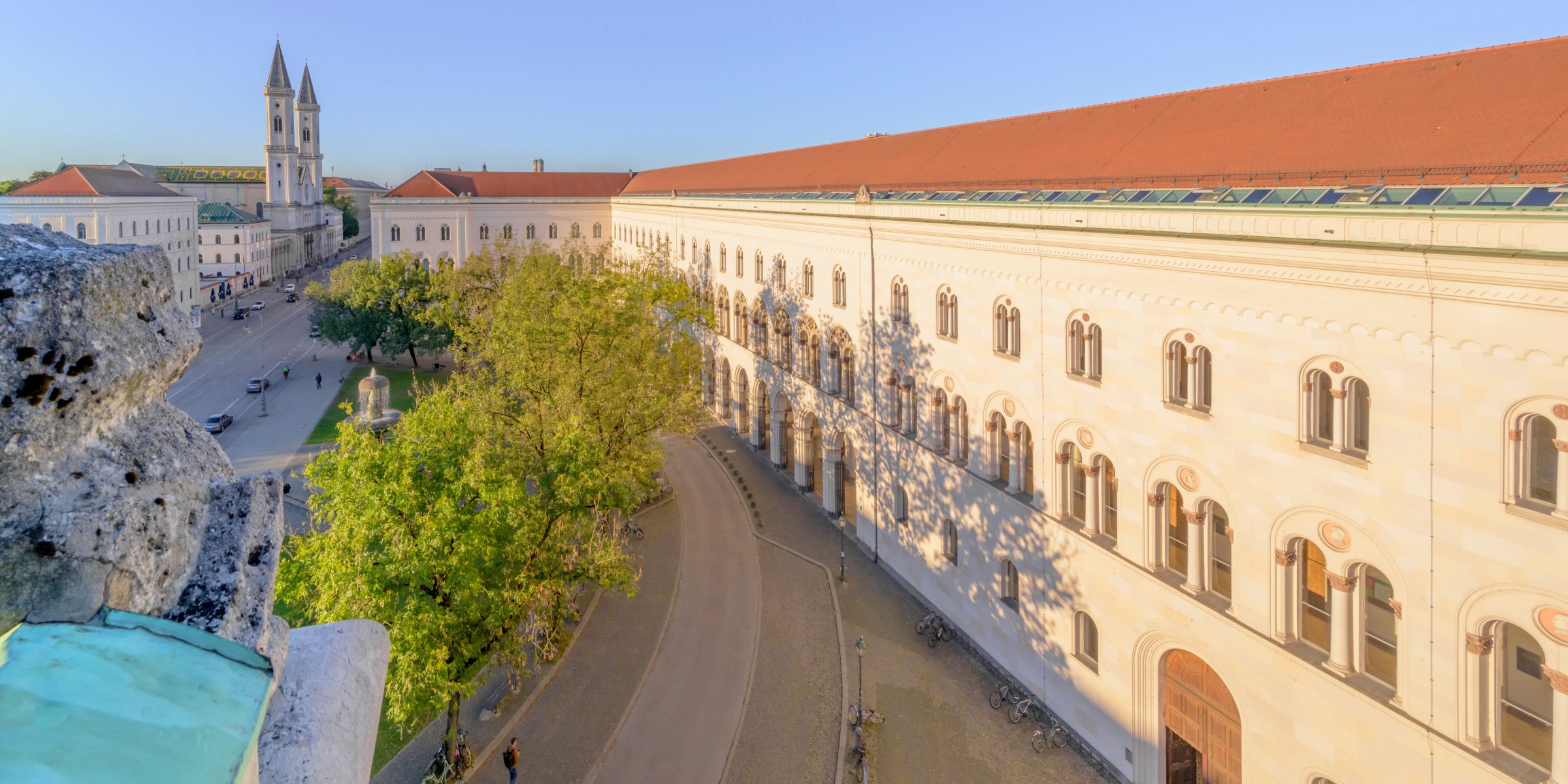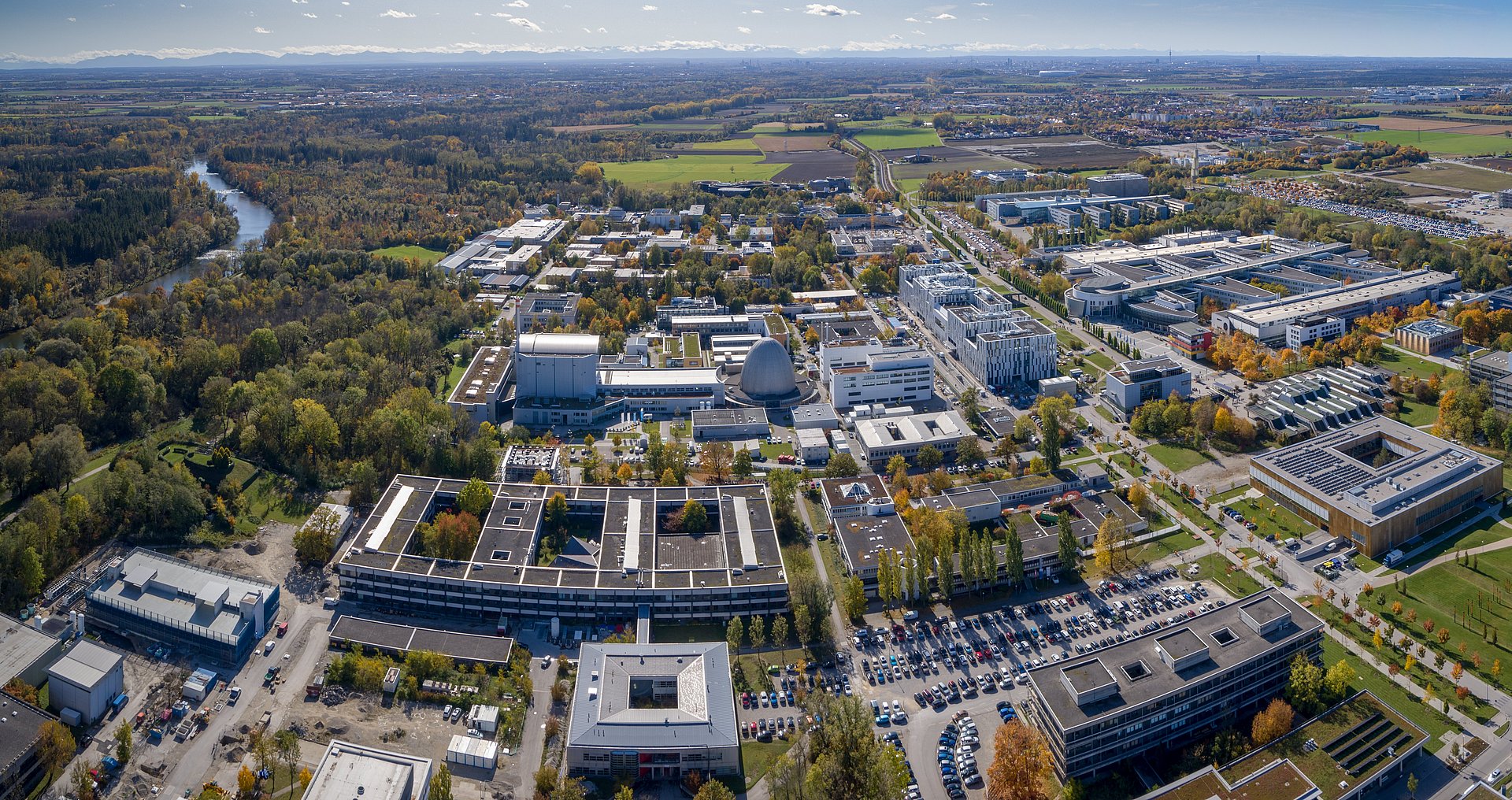
Technical University of Munich
- World ranking
- #25
- Programmes
- 179
- Location
- München, Bayern, Germany


Study destination
Germany has 122 universities on StudyMapped offering 12,591 programmes and 269 scholarships. Compare tuition fees, entry requirements and intakes below, then shortlist the programmes that suit you.
Germany is one of the most popular places in the world to study. In the 2025/26 winter semester, about 426,200 international students and doctoral candidates were enrolled at German universities, around 6% more than a year earlier, and a record 130,000 of them were first-year students. A big part of the draw is cost: most public universities charge no tuition fees at all.
Public universities charge no tuition for bachelor's and most master's programmes, even for students from outside the EU, though a few states are exceptions.
To get a student visa, you need to show that you have at least €992 a month, or €11,904 for the first year. Most students do this with a blocked account (Sperrkonto): you pay in the full amount before you apply, and once you arrive you can withdraw up to €992 each month. A scholarship or a formal letter of obligation from a sponsor living in Germany also works. Keep in mind that a blocked account covers living costs only, so if your programme charges tuition you will need separate proof for that.
You apply at the German embassy or consulate that serves your country, and most of them now use the Federal Foreign Office's online portal.
As a student you can work up to 140 full days or 280 half days a year. Alternatively, you can work up to 20 hours a week during the semester, with no limit during the breaks. Jobs as a student assistant at your own university do not count towards these limits.
After graduating, you can get a residence permit for up to 18 months to look for a job that matches your qualification, and you are free to do any kind of work while you search. Once you find a suitable job, you can switch to a work permit or an EU Blue Card. Graduates of German universities can then apply for a settlement permit (permanent residence) after working in Germany for more than two years.
Changes to the Skilled Immigration Act came into force in March 2024, raising the work limit for students from 120 to 140 full days and adding the 20-hours-a-week option. In August 2026, the government approved a bill to raise student support (BAföG) rates from the 2027/28 winter semester. Since the blocked account amount is linked to these rates, it may go up later. The bill is not yet law, though, so for now the figure remains €992 a month.
Here is what universities in Germany typically charge in tuition each year. Fees vary from one university and course to the next, but most fall within the range shown.
| Degree | Typical fee a year | Usual range |
|---|---|---|
| Master's | EUR 3,000 | EUR 3,000 – 3,000 |
These figures cover tuition only. Living costs are extra, and a scholarship can bring the total down.
The subject areas with the most programmes. Pick a degree level to see the courses.
2,210 programmes
1,579 programmes
1,185 programmes
1,171 programmes
747 programmes
527 programmes
483 programmes
428 programmes
406 programmes
332 programmes
328 programmes
322 programmes
StudyMapped lists 122 universities in Germany with 12,591 programmes: 4,731 bachelor's degrees, 6,862 master's degrees and 771 PhD programmes.
Master's degrees typically cost EUR 3,000 a year (most between EUR 3,000 and EUR 3,000). Fees vary by university and course, so check the programme you are interested in. Living costs are extra.
Most programmes start in Winter. Many also take students in Summer.
Students who need a visa should check the study visa route after receiving admission to a recognised institution. Confirm the current funding, qualification and language evidence with the German government's guide and the German mission handling your application.
Yes. StudyMapped lists 269 scholarships for students in Germany, with who can apply, award amounts, deadlines and links to the official application pages.
By number of programmes, the largest subject areas are Education & Teaching, Languages & Literature, History, Philosophy & Religion and Music & Performing Arts.
Sources: DAAD: Wissenschaft weltoffen 2026, DAAD: types of universities, DAAD: costs of education and living, DAAD: requirements overview, DAAD: admission database, uni-assist: handling fees, Federal Foreign Office: blocked account, Consular Services Portal: study, Make it in Germany: study and work, Make it in Germany: visa for studying, Make it in Germany: Skilled Immigration Act, German Bundestag: BAföG bill. Last checked 13 November 2026.

Book a free consultation with our expert counsellors and take the first step towards your dream university.
Copyrights © 2026 StudyMapped. All rights reserved.

Enter your credentials to continue.
Join us and start your study abroad journey.