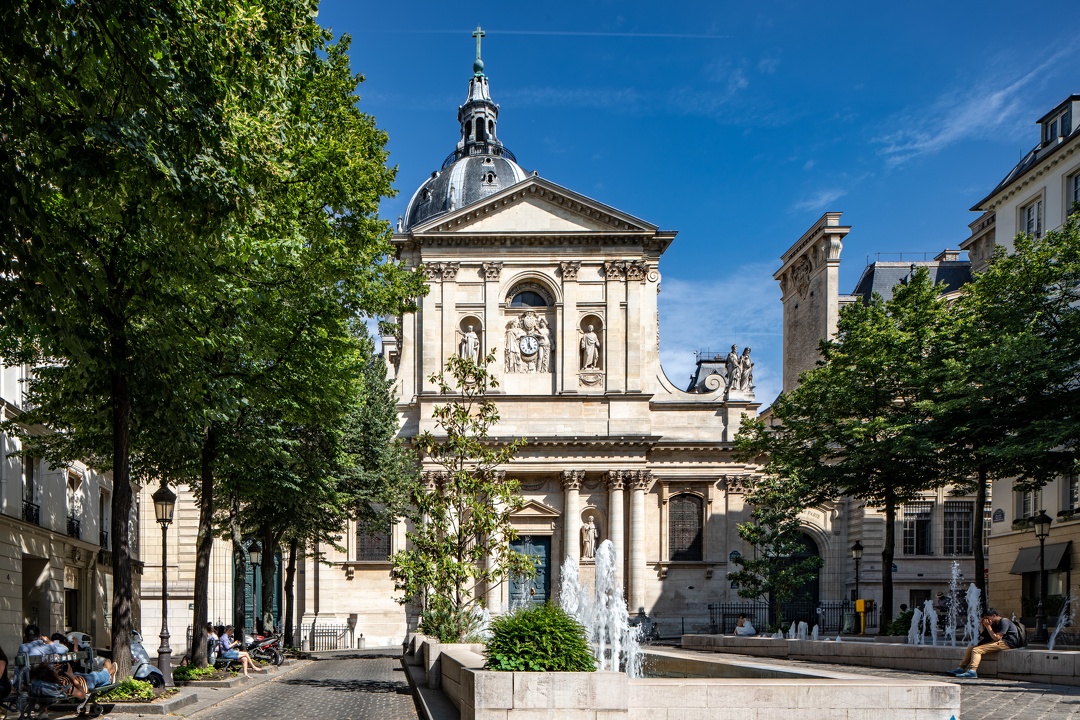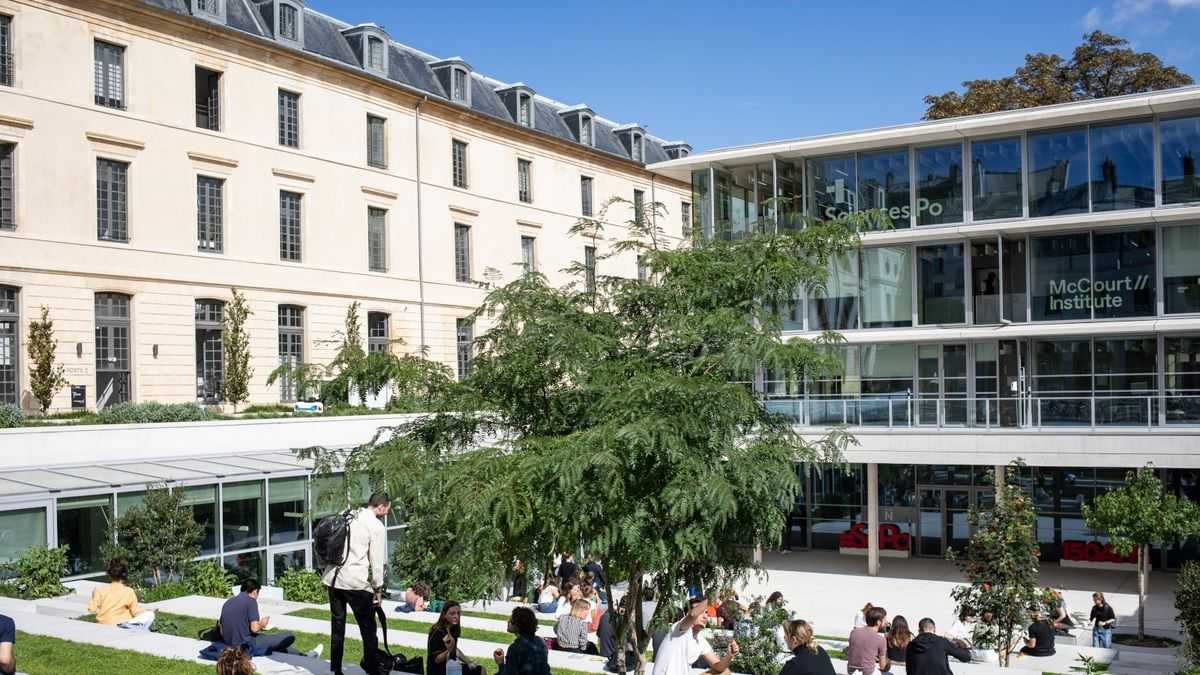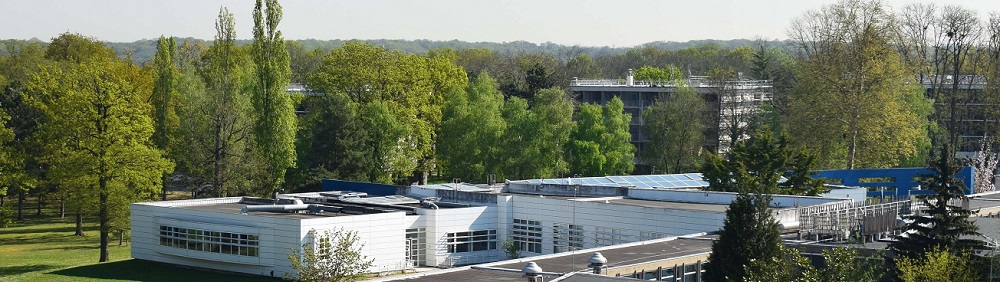
HEC Paris
- World ranking
- #11
- Programmes
- 22
- Location
- Jouy-en-Josas, Île-de-France, France


Study destination
France has 141 universities on StudyMapped offering 16,511 programmes and 249 scholarships. Compare tuition fees, entry requirements and intakes below, then shortlist the programmes that suit you.
France is one of the world's leading study destinations. According to Campus France, 443,500 foreign students were enrolled in French higher education in 2024-25, close to 15% of all students, putting France seventh among host countries worldwide. Public university fees are low compared with English-speaking countries and more than 1,500 programmes are taught fully or partly in English.
Most French degrees follow the European LMD system (Licence, Master, Doctorat) and award ECTS credits.
For 2026-27, students from outside the EU pay "differentiated" registration fees at public universities:
On top of this, every student pays the CVEC (student and campus life contribution), which is €105 for 2026-27. Private schools set their own fees, and these can exceed €10,000 a year. Registering with French public health insurance is free and compulsory, and you do it online once you arrive.
For the visa, you must show at least €877.50 a month for living costs, or about €10,530 for a 12-month stay. If you hold a French government scholarship, you are exempt from both the registration fees and the CVEC.
The VLS-TS is valid for between 4 months and 1 year. To stay longer, apply online for a student residence permit 2 to 4 months before it expires.
Your student visa or residence permit lets you work up to 964 hours a year (60% of full time) without needing a separate work permit.
If you earn a master's degree, a professional licence or an equivalent qualification in France, you can get a one-year, non-renewable job search / business creation residence permit. You can apply in France before your student permit runs out, or from abroad within 4 years of graduating.
This permit lets you work full time. Once you find a job related to your studies that pays at least €2,800.53 gross a month, you can switch to a work permit. Higher salaries may qualify you for a multi-year "talent" card instead, for example from €39,582 a year for a qualified employee.
Here is what universities in France typically charge in tuition each year. Fees vary from one university and course to the next, but most fall within the range shown.
| Degree | Typical fee a year | Usual range |
|---|---|---|
| Bachelor's | EUR 2,900 | EUR 2,900 – 2,900 |
| Master's | EUR 4,000 | EUR 600 – 4,000 |
| PhD | EUR 400 | EUR 400 – 400 |
These figures cover tuition only. Living costs are extra, and a scholarship can bring the total down.
The subject areas with the most programmes. Pick a degree level to see the courses.
1,513 programmes
1,323 programmes
1,178 programmes
1,154 programmes
936 programmes
745 programmes
672 programmes
622 programmes
618 programmes
580 programmes
484 programmes
469 programmes
StudyMapped lists 141 universities in France with 16,511 programmes: 5,198 bachelor's degrees, 8,931 master's degrees and 834 PhD programmes.
Bachelor's degrees typically cost EUR 2,900 a year (most between EUR 2,900 and EUR 2,900); Master's degrees typically cost EUR 4,000 a year (most between EUR 600 and EUR 4,000); PhD degrees typically cost EUR 400 a year (most between EUR 400 and EUR 400). Fees vary by university and course, so check the programme you are interested in. Living costs are extra.
Most programmes start in September.
After choosing a course and receiving admission, check the France-Visas student route for the visa type and application process that apply to your nationality and course length. Some applicants must also use the Études en France process.
Yes. StudyMapped lists 249 scholarships for students in France, with who can apply, award amounts, deadlines and links to the official application pages.
By number of programmes, the largest subject areas are Engineering, Business & Management, Law and Languages & Literature.
Sources: Campus France: international students in France 2024-2025, Campus France: Key Figures 2025, Campus France: higher education in France, Campus France: LMD system, Campus France: Programs Taught in English, Campus France: Études en France procedure, France-Visas: student visa, Service Public: university fees 2026-2027, Service Public: student visa and residence permit, Service Public: job search / business creation permit, Légifrance: Labour Code R5221-26 (964 hours), Ministry of Higher Education: differentiated fees FAQ, Ministry of Higher Education: DAP 2027-2028, Campus France: health insurance. Last checked 13 November 2026.

Book a free consultation with our expert counsellors and take the first step towards your dream university.
Copyrights © 2026 StudyMapped. All rights reserved.

Enter your credentials to continue.
Join us and start your study abroad journey.