Study in Ghana

Study destination

Study in Ghana

Ghana has 91 universities on StudyMapped offering 3,306 programmes and 23 scholarships. Compare tuition fees, entry requirements and intakes below, then shortlist the programmes that suit you.

About studying in Ghana

Ghana is one of West Africa's most popular places to study, drawing students from across Africa and beyond, and all teaching is in English. The sector is regulated by the Ghana Tertiary Education Commission (GTEC), which lists 324 accredited tertiary institutions. Most universities run two semesters; at the University of Ghana, the 2026/27 year began in October 2026 and ends in July 2027.

Types of institutions

  • Public universities such as the University of Ghana and KNUST offer the widest range of degrees and research programmes.
  • Technical universities focus on applied subjects, offering HNDs and diplomas as well as technology degrees up to master's level.
  • Private universities and university colleges range from chartered universities that award their own degrees to smaller colleges whose degrees come from a partner university.
  • Colleges of education and nursing and midwifery colleges train teachers and health workers. Colleges of education are affiliated to public universities, which award their qualifications.

Check accreditation first

GTEC accredits institutions, programmes and campuses separately, so a well-known name doesn't guarantee every course or centre is approved. In July 2026 it named 15 learning centres of public universities that were not accredited, along with 34 institutions whose accreditation had expired. Before you apply or pay, check all three on the GTEC website or contact GTEC directly.

Degrees and how long they take

  • Bachelor's degree: usually 4 years; medicine and dentistry take longer because of the clinical stage.
  • Master's degree: a taught MA or MSc takes 1 year, while an MPhil, which includes research, takes 2.
  • PhD: normally 4 years full time at the University of Ghana.

How much it costs

What you pay depends on where you come from. International students are charged in US dollars, sometimes with a lower rate for African nationals, while Ghanaians at public universities pay much lower user fees in cedis. Provisional first-year fees for 2026/27 include:

  • University of Ghana, Bachelor of Arts: US$4,354 for African nationals and US$5,135 for non-African nationals, compared with GH¢2,698 for regular Ghanaian students.
  • University of Ghana, science degrees: US$4,908 for African nationals and US$5,820 for non-African nationals.
  • KNUST, international students: US$4,430 for humanities and social sciences, rising to US$6,130 for business administration or law, including tuition and other charges.

Accommodation is extra: a single room in the University of Ghana's international students' hostel is US$2,146 a year, or US$1,720 for ECOWAS students.

Applying

  • Qualifications: international applicants can apply with WASSCE from any West African country, Cambridge O and A Levels, the IB or an American high school diploma. Others may first need evaluating by GTEC.
  • English: KNUST asks applicants from non-English-speaking countries for a one-year English proficiency certificate; the University of Ghana runs its own.
  • Timing and fees: the University of Ghana opened 2026/27 applications on 16 April 2026, and KNUST charges international applicants a US$100 application fee.
  • If you are a Ghanaian applicant with WASSCE, you need credits (A1 to C6) in the core subjects and three electives that suit the programme, with an aggregate of 24 or better. Popular programmes want far lower ones: in KNUST's 2023/24 list, medicine needed 06 and economics 10. The University of Ghana's main deadline for Ghanaian applicants was 8 September 2026, with earlier dates for some health programmes.

Visas and the student residence permit

  • Most nationalities need an entry visa from a Ghanaian embassy or high commission before they travel; your university's international office can advise.
  • ECOWAS citizens don't need a visa to enter Ghana and are usually admitted for up to 90 days.
  • Every international student, ECOWAS citizens included, must get a student residence permit from the Ghana Immigration Service (GIS). You apply through your university after arriving, with a school letter, your admission letter, fee receipts, two passport photos, your passport and a copy of your Non-Citizen Ghana Card.
  • Permit fees have been GH¢194 for ECOWAS citizens and GH¢259 for other nationals since 15 May 2025. Permits usually last a year and are then renewed; a lapsed permit costs GH¢200 (ECOWAS) or GH¢300 (others) in penalties for each month.

Working while you study and after

A student permit is for study. GIS says a residence permit does not let you work, run a business or practise a profession unless it says so, and it lists no post-study work route. To work in Ghana after graduating, you would need a work and residence permit, normally applied for by your employer.

Recent changes

  • e-Visa: Ghana launched an online visa portal on 25 May 2026, and African passport holders who need a visa no longer pay visa fees. ECOWAS citizens still need none.
  • No-Fees-Stress policy (Ghanaian students): since 2025/26, the government has paid academic fees for Ghanaian first-year students at public tertiary institutions. It also supports students with disabilities and has expanded student loans, applied for through the Students Loan Trust Fund.

Popular programmes in Ghana

The subject areas with the most programmes. Pick a degree level to see the courses.

When do courses start in Ghana?

  • September100% of programmes
  • August10% of programmes

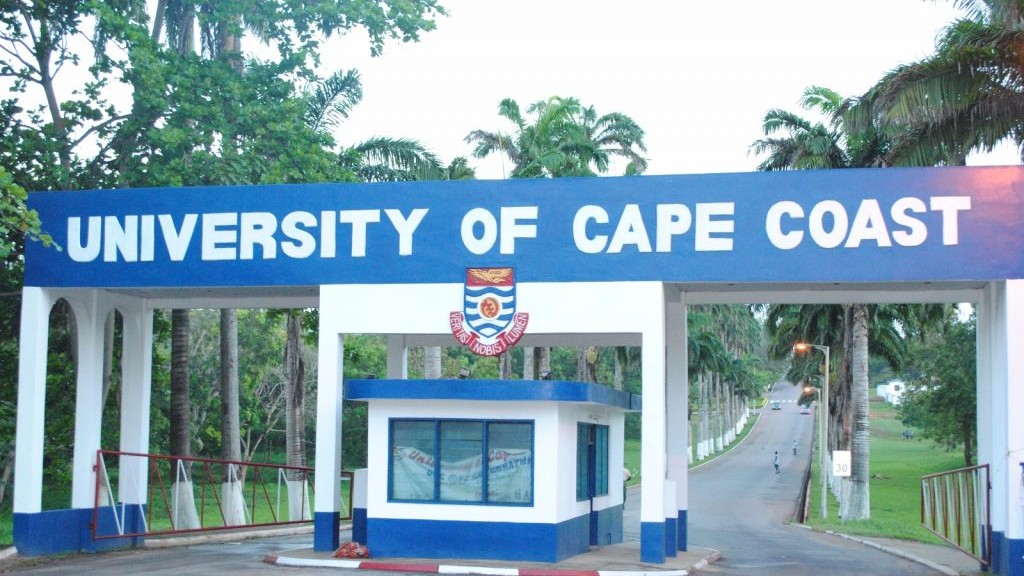
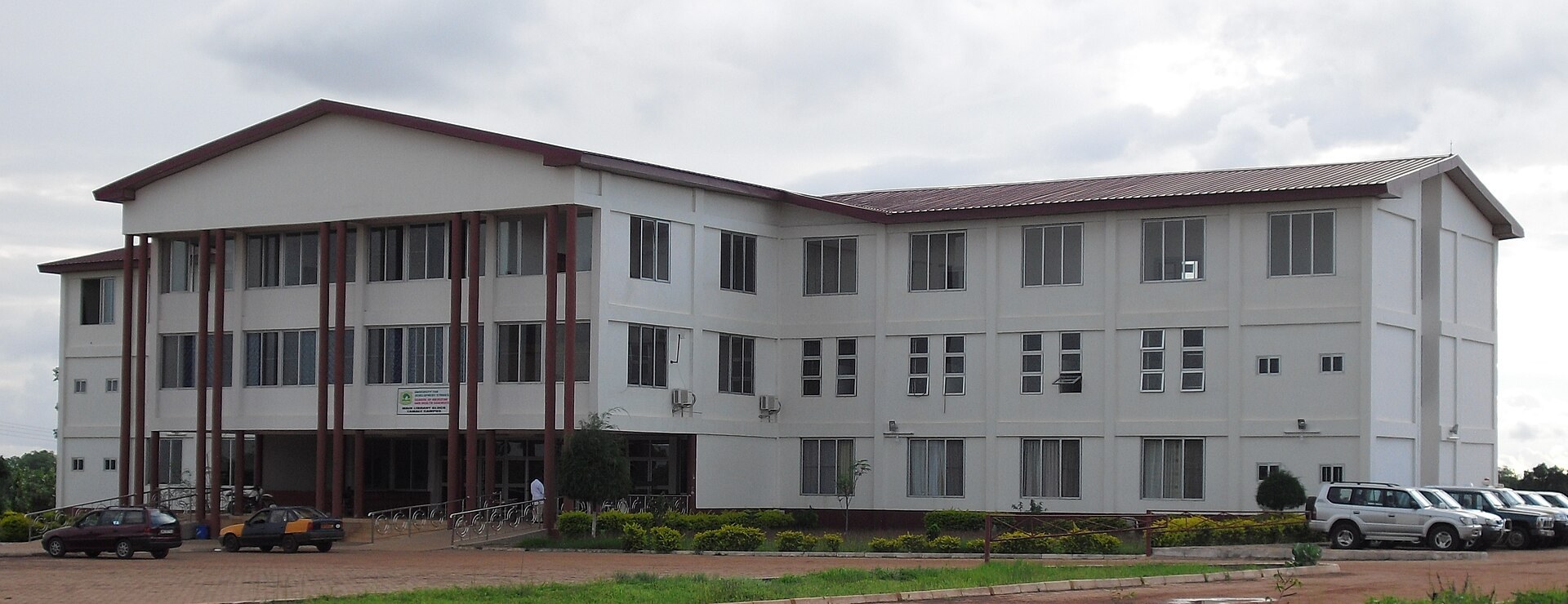
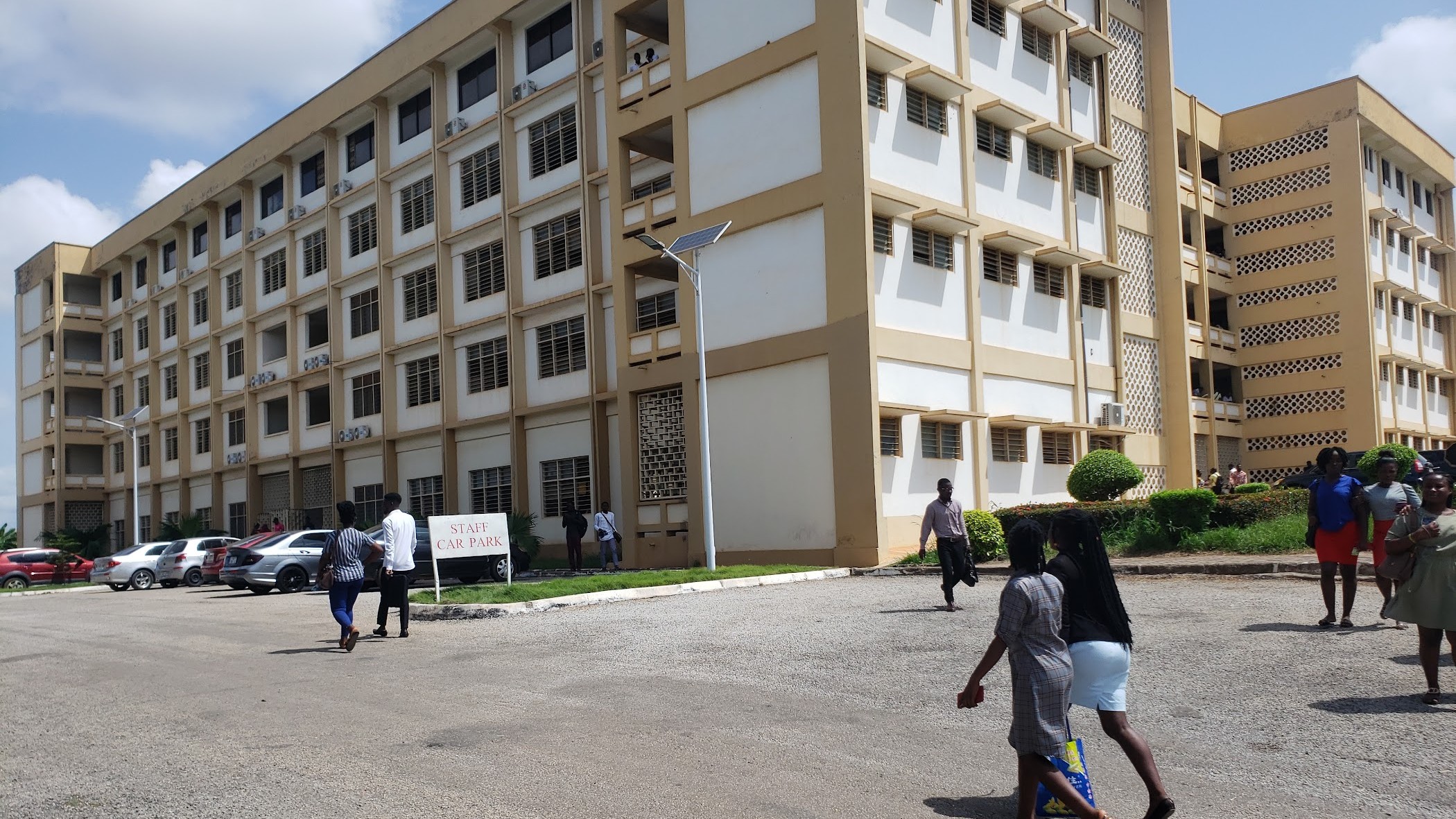
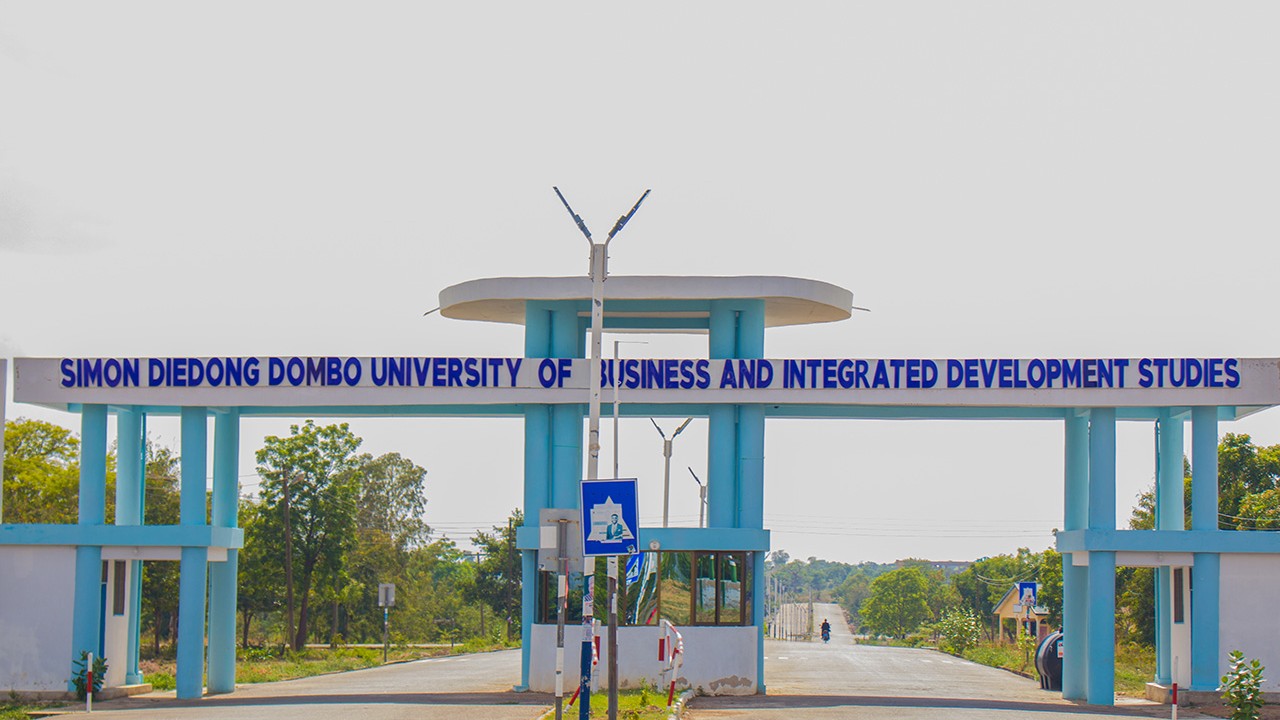
Top universities in Ghana

View all 91 universities in Ghana →

Scholarships in Ghana

View all 23 scholarships in Ghana →

Studying in Ghana: common questions

How many universities are there in Ghana?

StudyMapped lists 91 universities in Ghana with 3,306 programmes: 1,499 bachelor's degrees, 1,092 master's degrees and 313 PhD programmes.

When do courses start in Ghana?

Most programmes start in September. Many also take students in August.

Do international students need a visa to study in Ghana?

International students should check the Ghana Immigration Service's student residence-permit requirements and confirm the paperwork their institution supplies. Use the official service page for current application details.

Are there scholarships to study in Ghana?

Yes. StudyMapped lists 23 scholarships for students in Ghana, with who can apply, award amounts, deadlines and links to the official application pages.

What are the most popular programmes to study in Ghana?

By number of programmes, the largest subject areas are Education & Teaching, Business & Management, Engineering and Computer Science & IT.

Other study destinations

Sources: GTEC, GTEC: unaccredited centres and expired accreditation, GIS: Residence Permit (Student), GIS: fees and charges, GIS: residence permit FAQ, GIS: visas, Ministry of Foreign Affairs: e-Visa launch, Students Loan Trust Fund: No-Fees-Stress policy, No-Fees-Stress portal, GTEC: institution categories, Accra Technical University: academic calendar 2026/27, University of Ghana: schedule of fees 2026/27, University of Ghana: residential fees 2026/27, University of Ghana: entry requirements, University of Ghana: international requirements, University of Ghana: deadlines, University of Ghana: academic calendar, KNUST: international freshers' fees 2026/27, KNUST: entry requirements. Last checked 13 November 2026.

Ready to start your study abroad journey?

Book a free consultation with our expert counsellors and take the first step towards your dream university.

Copyrights © 2026 StudyMapped. All rights reserved.