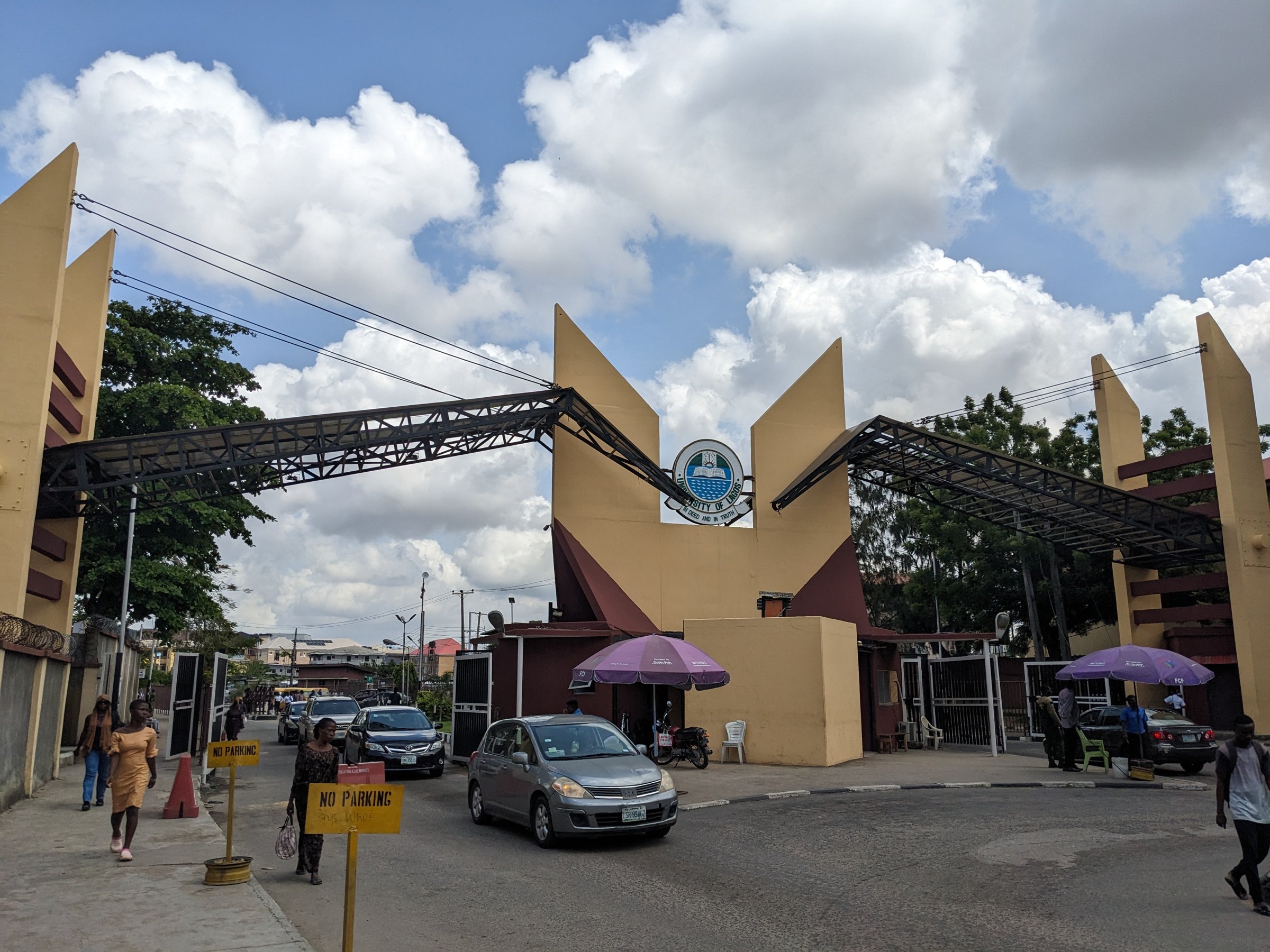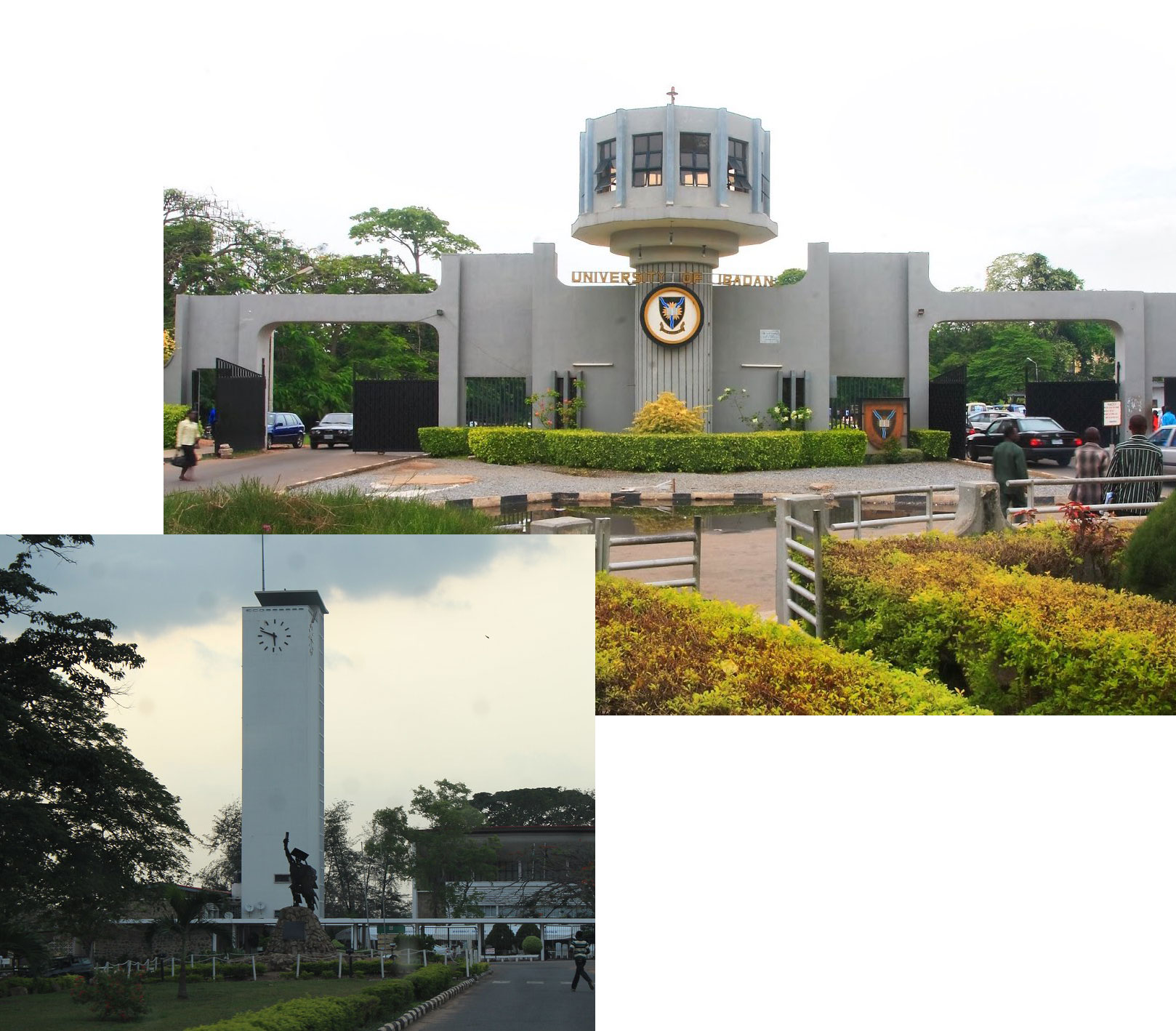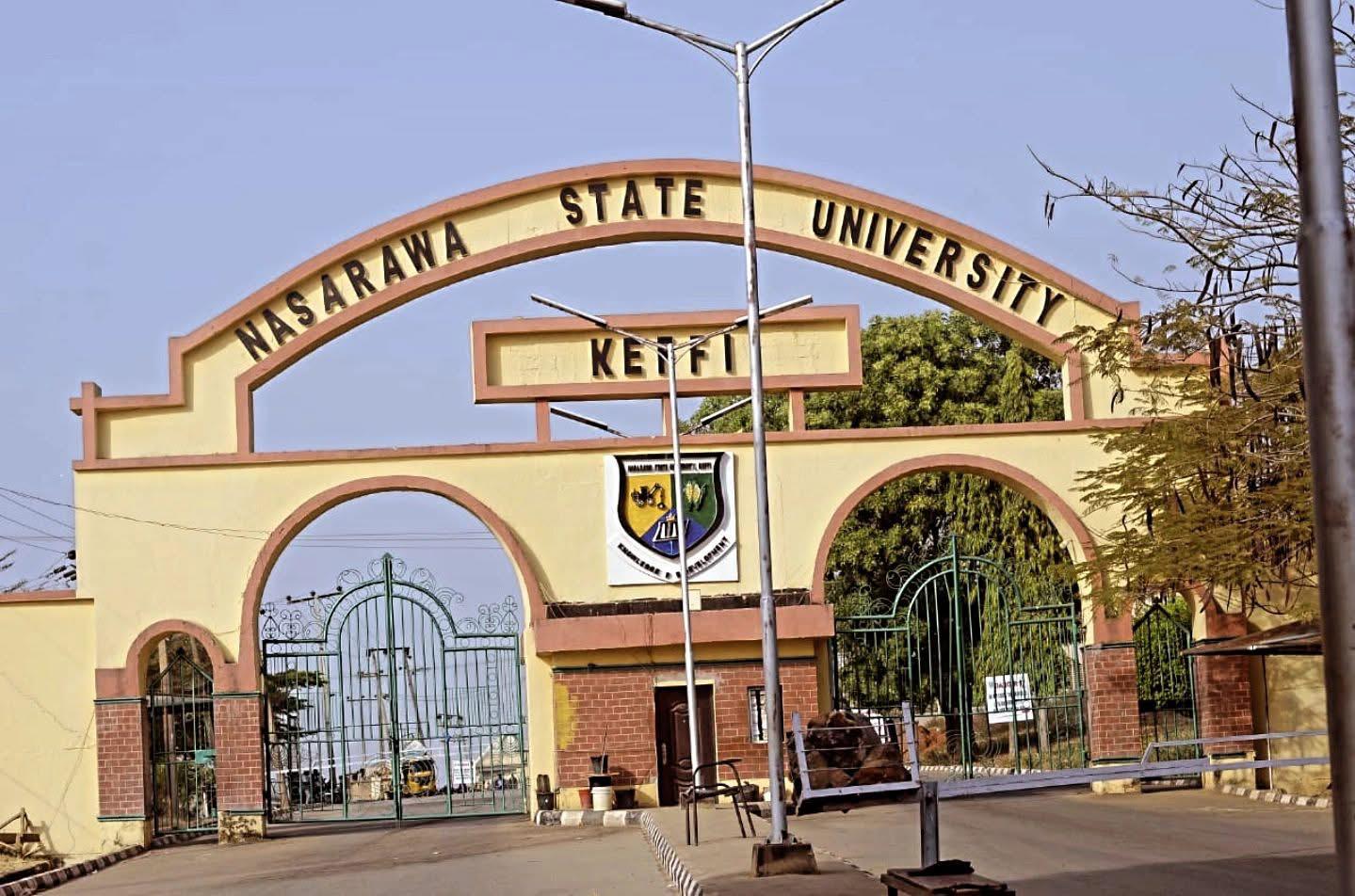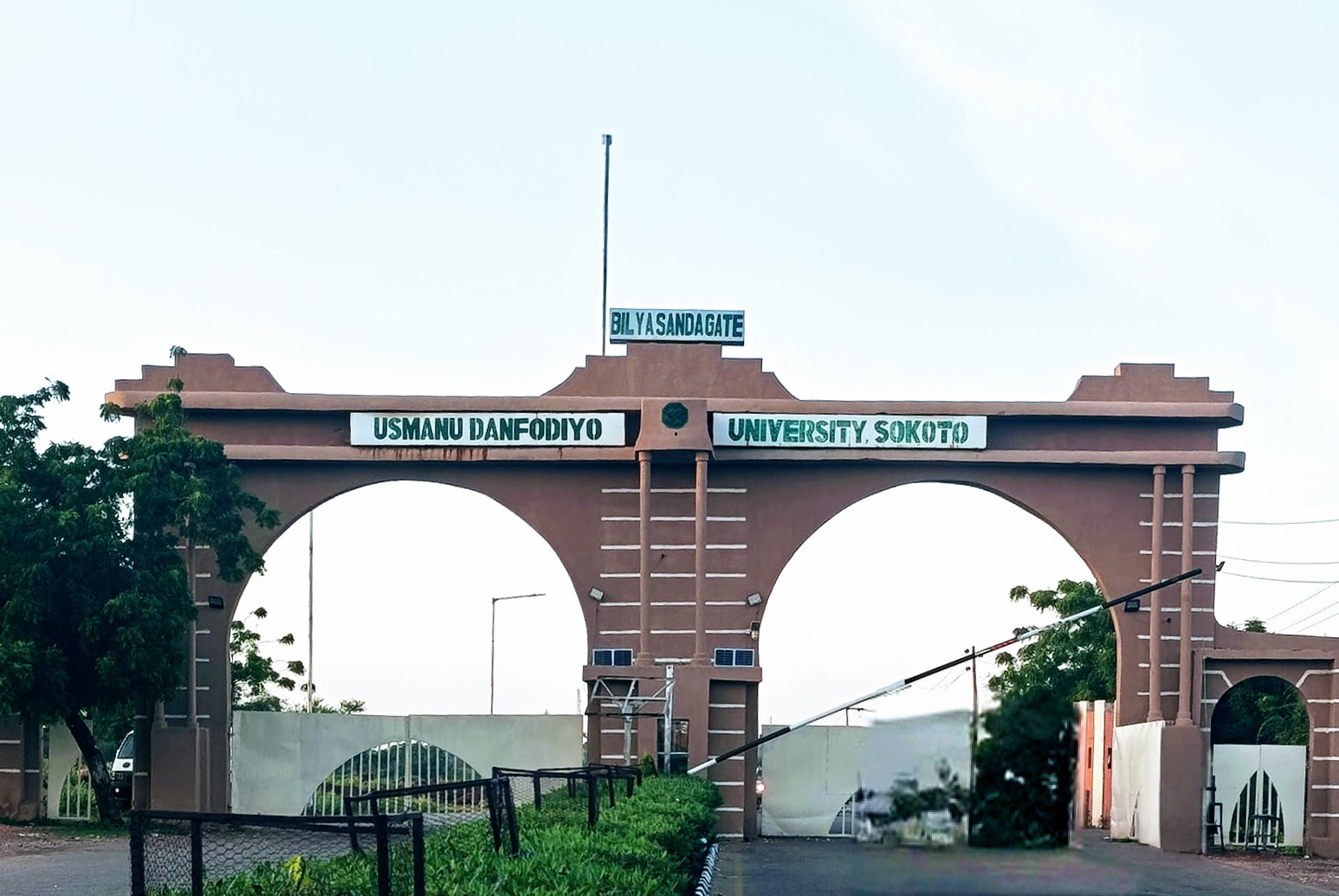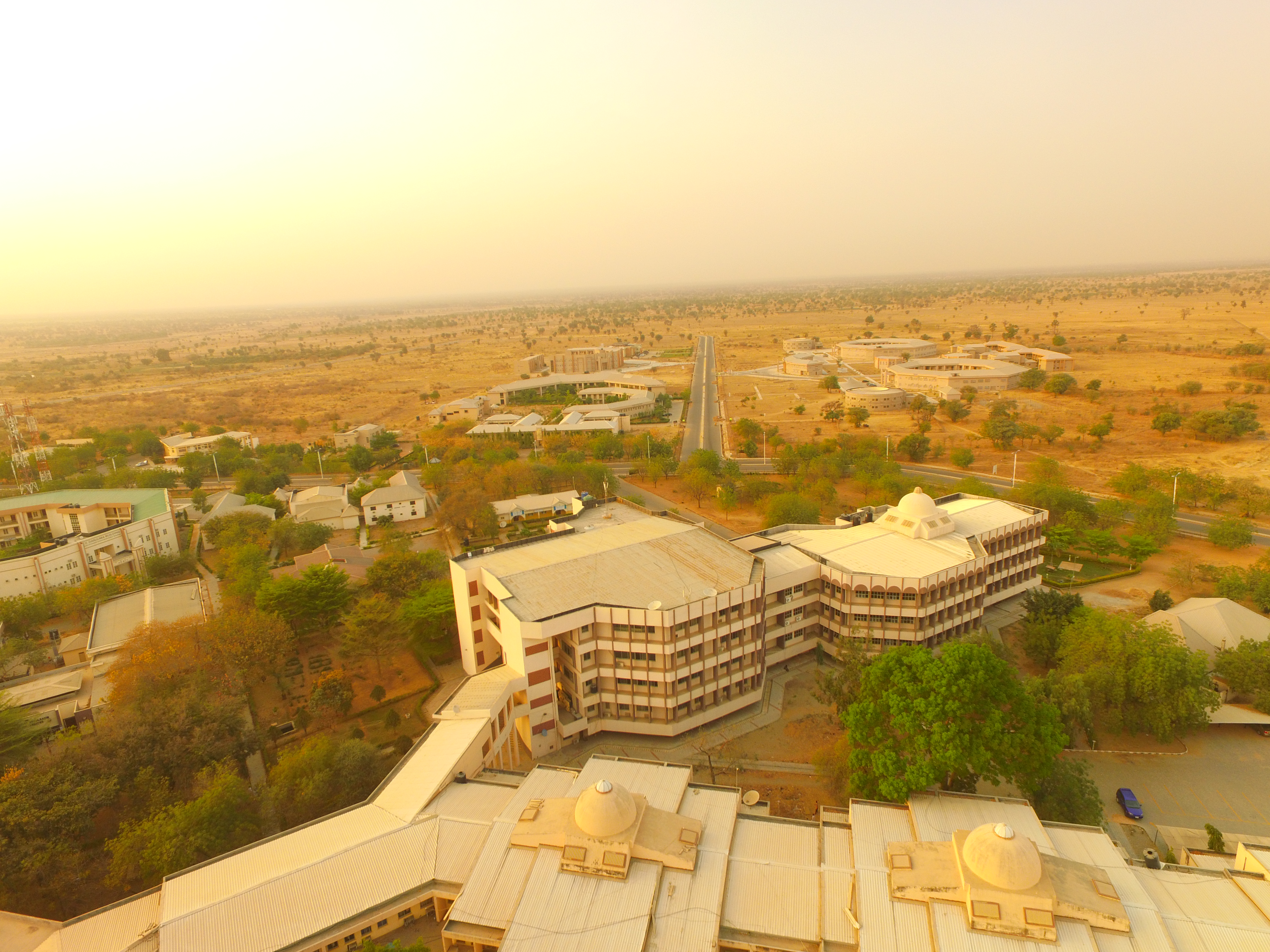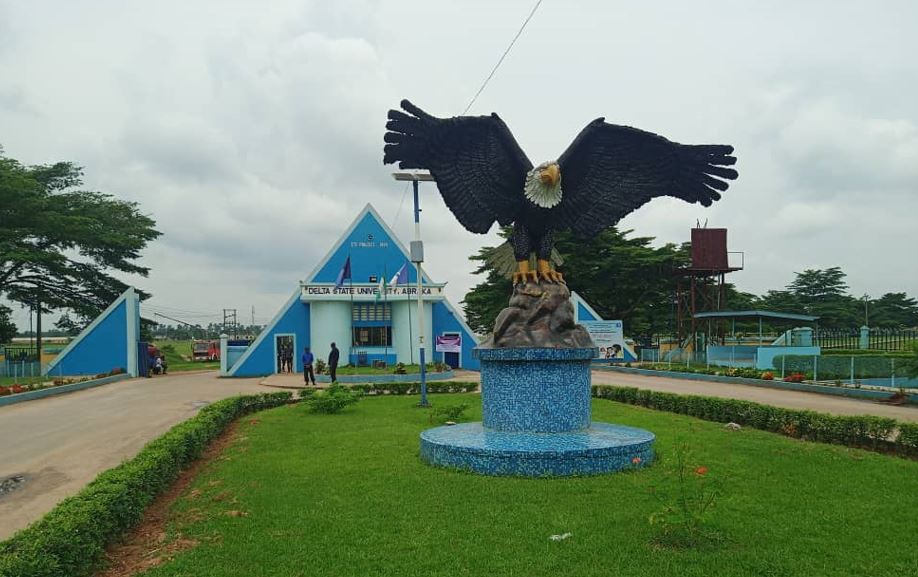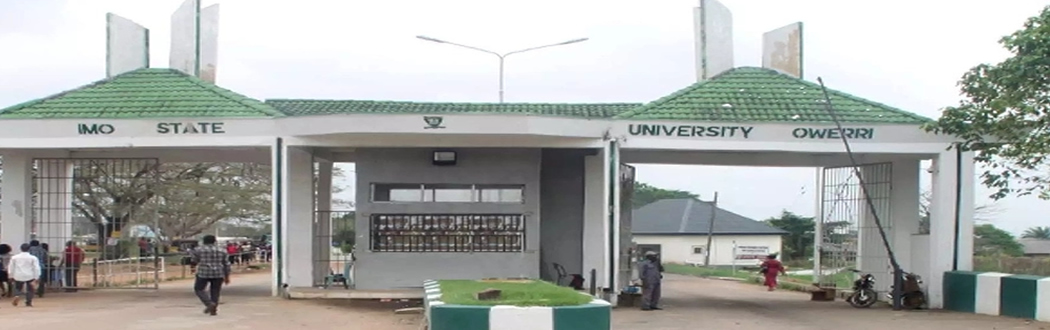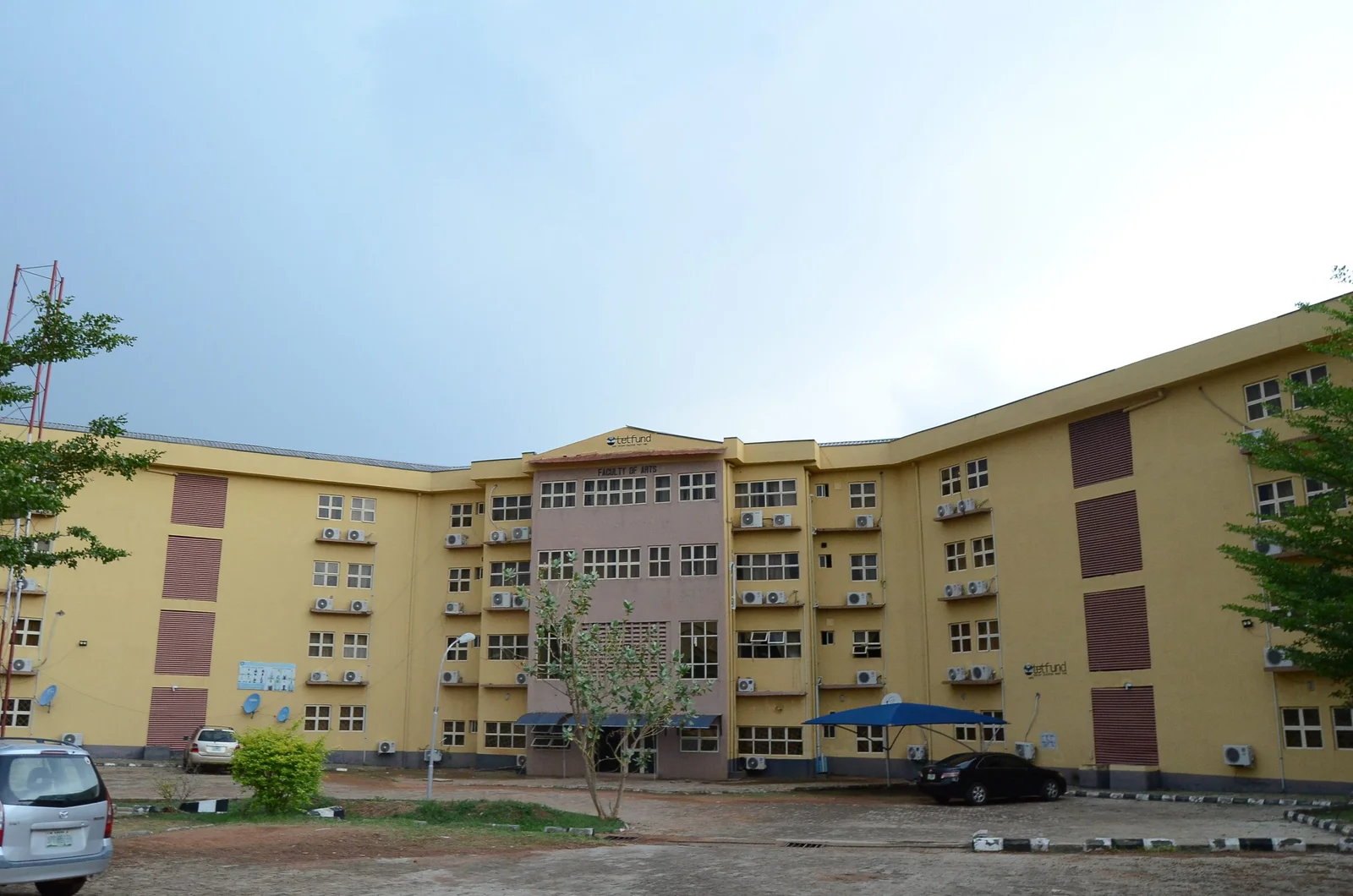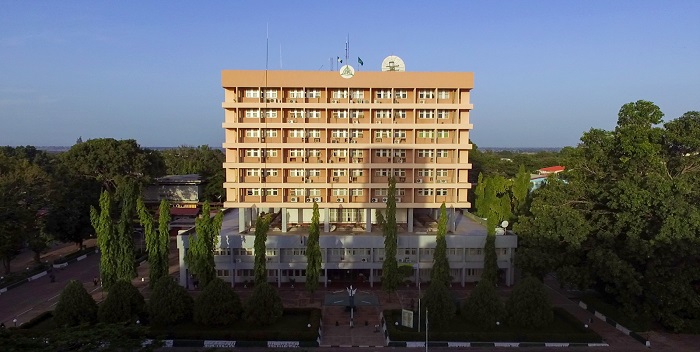
Ahmadu Bello University, Zaria
- Programmes
- 870
- Location
- Zaria, Kaduna State

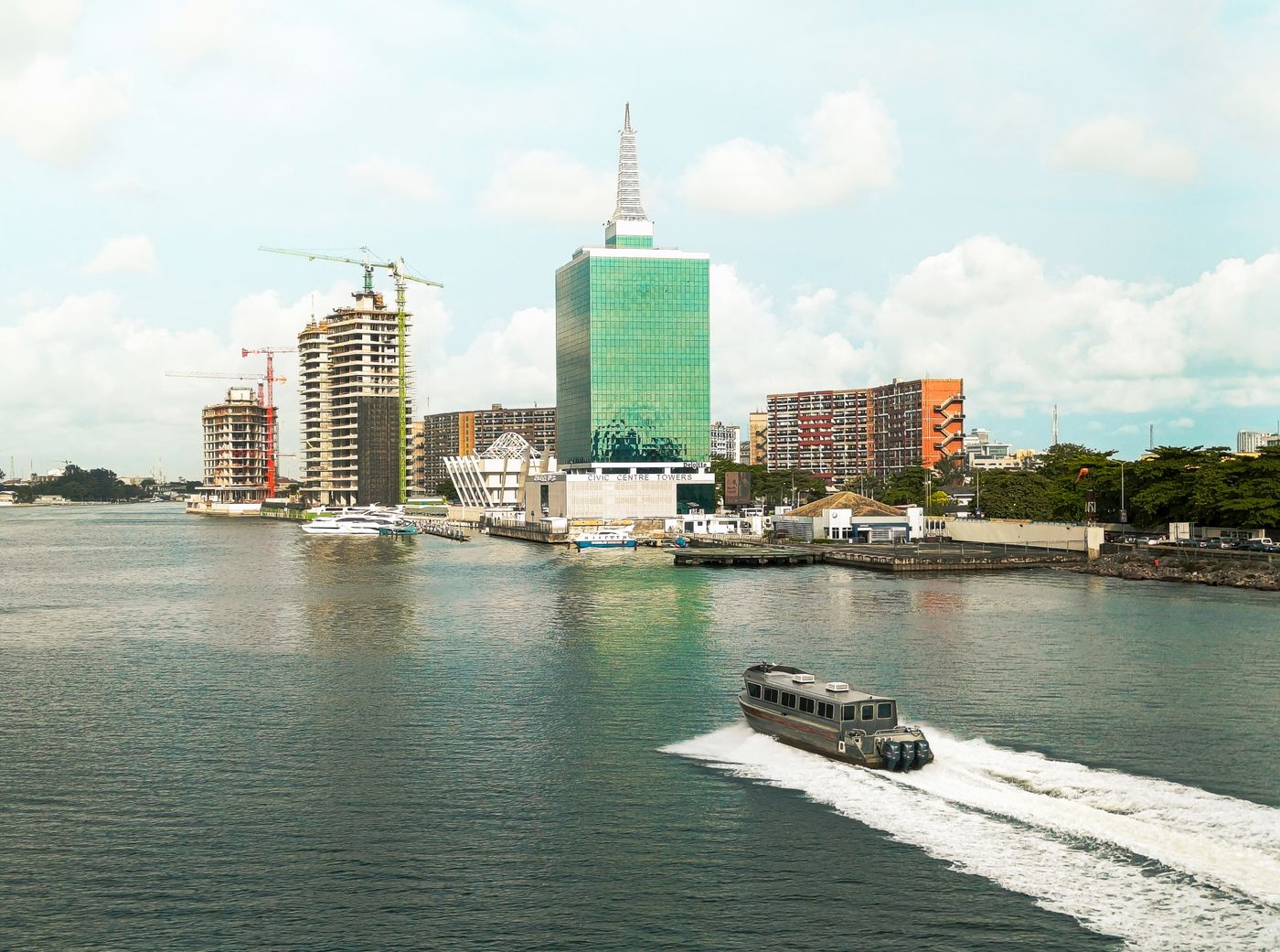
Study destination
Nigeria has 595 universities on StudyMapped offering 27,885 programmes and 143 scholarships. Compare tuition fees, entry requirements and intakes below, then shortlist the programmes that suit you.
Nigeria has Africa's largest university system, and it welcomes international students as well as Nigerians. The National Universities Commission (NUC), which approves and monitors universities, lists 328 of them: 77 federal, 69 state and 182 private. Teaching is in English, and a degree from an approved university has the same legal standing whether the owner is the federal government, a state or a private body.
Before applying, check the university is on NUC's lists. New universities also need an NUC check before admitting students to a programme, so confirm your course is approved too.
Nigerian graduates under 30 then complete a year of the National Youth Service Corps (NYSC); those 30 or older get an exemption certificate instead.
Fees vary widely and change every session. If you are coming from abroad, ask for the rate that applies to you; Covenant University's approved 2026/2027 schedule, for instance, sets separate US dollar rates for foreign students. Federal universities generally charge Nigerian students no tuition, though other charges apply. Federal University Otuoke's approved 2026/2027 schedule lists student charges of ₦98,500 to ₦127,500 for new students, plus an ₦80,000 clearance fee and optional accommodation. Private universities cost far more: Covenant's fees for Nigerians, including accommodation, run from ₦1.71 million to ₦4.64 million a year.
Every route in runs through the Joint Admissions and Matriculation Board (JAMB):
Applicants from abroad follow the same steps, and JAMB runs the UTME at centres abroad, including Accra, Banjul, Abidjan and Cotonou; your nearest Nigerian embassy has details.
Unless you are an ECOWAS citizen, you need a Student Visa (R7A) from a Nigerian embassy, which needs a passport valid for at least six months and an admission letter from an accredited institution. The visa lasts 90 days, and once you arrive you apply for a residence permit, the e-CERPAC, which gives a two-year renewable stay. The online e-Visa is only for short visits and cannot be converted into a student permit.
ECOWAS citizens can enter Nigeria without a visa under the free movement protocol and stay for up to 90 days. For a longer stay, ask the Nigeria Immigration Service and your university which residence document applies. Burkina Faso, Mali and Niger left ECOWAS in January 2025, but ECOWAS says their citizens keep visa-free movement and residence rights until further notice.
The Nigerian Education Loan Fund (NELFUND) offers interest-free loans to Nigerian students at public universities, polytechnics, colleges of education and vocational schools, but not private institutions. It pays institutional charges straight to your school, and you can request an upkeep allowance, currently ₦20,000 a month during the session. You'll need your NIN, BVN and a JAMB number (Direct Entry included). Repayment starts two years after NYSC at 10% of income. The 2026/2027 window runs from 23 September to 31 December 2026.
Here is what universities in Nigeria typically charge in tuition each year. Fees vary from one university and course to the next, but most fall within the range shown.
| Degree | Typical fee a year | Usual range |
|---|---|---|
| Bachelor's | NGN 595,000 | NGN 290,000 – 1,200,000 |
| Master's | NGN 390,000 | NGN 200,000 – 550,000 |
| PhD | NGN 490,000 | NGN 250,000 – 600,000 |
These figures cover tuition only. Living costs are extra, and a scholarship can bring the total down.
The subject areas with the most programmes. Pick a degree level to see the courses.
2,189 programmes
1,751 programmes
1,567 programmes
1,270 programmes
1,232 programmes
1,138 programmes
857 programmes
811 programmes
649 programmes
641 programmes
622 programmes
616 programmes
StudyMapped lists 595 universities in Nigeria with 27,885 programmes: 10,956 bachelor's degrees, 5,555 master's degrees and 3,198 PhD programmes.
Bachelor's degrees typically cost NGN 595,000 a year (most between NGN 290,000 and NGN 1,200,000); Master's degrees typically cost NGN 390,000 a year (most between NGN 200,000 and NGN 550,000); PhD degrees typically cost NGN 490,000 a year (most between NGN 250,000 and NGN 600,000). Fees vary by university and course, so check the programme you are interested in. Living costs are extra.
Most programmes start in Autumn (fall). Many also take students in Spring, September and June.
Yes. StudyMapped lists 143 scholarships for students in Nigeria, with who can apply, award amounts, deadlines and links to the official application pages.
By number of programmes, the largest subject areas are Education & Teaching, Biology & Life Sciences, Agriculture & Veterinary and Business & Management.
Sources: NUC: Nigerian University System, NUC: private universities, NUC: new university licences, NBTE register, NCCE: accredited colleges, JAMB: 2026 minimum admission scores, JAMBulletin, 20 July 2026, JAMBulletin, 18 May 2026 (foreign UTME), University of Abuja: admission requirements, NELFUND FAQ, NELFUND loan terms, NUC: NELFUND upkeep guidelines, NALTF: NELFUND upkeep amount, LASU: NELFUND 2026/2027 window, Federal University Otuoke: 2026/2027 charges, Covenant University: 2026/2027 fees, Nigeria Immigration Service: Student Visa R7A, NIS e-CERPAC: student residence permit, NIS: e-Visa FAQ, ECOWAS free movement protocol, ECOWAS: statement on Burkina Faso, Mali and Niger, NiDCOM: NYSC. Last checked 13 November 2026.

Book a free consultation with our expert counsellors and take the first step towards your dream university.
Copyrights © 2026 StudyMapped. All rights reserved.

Enter your credentials to continue.
Join us and start your study abroad journey.