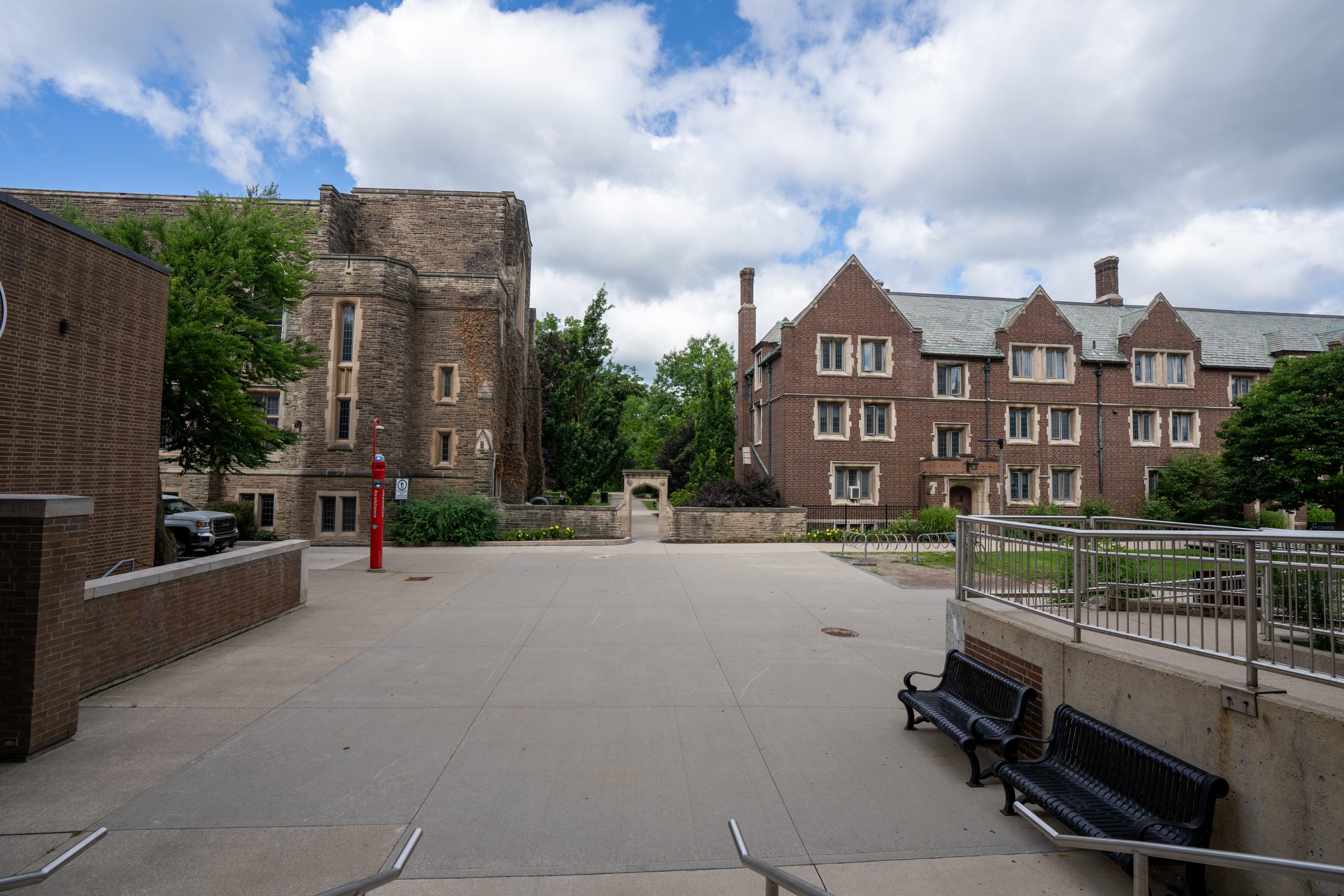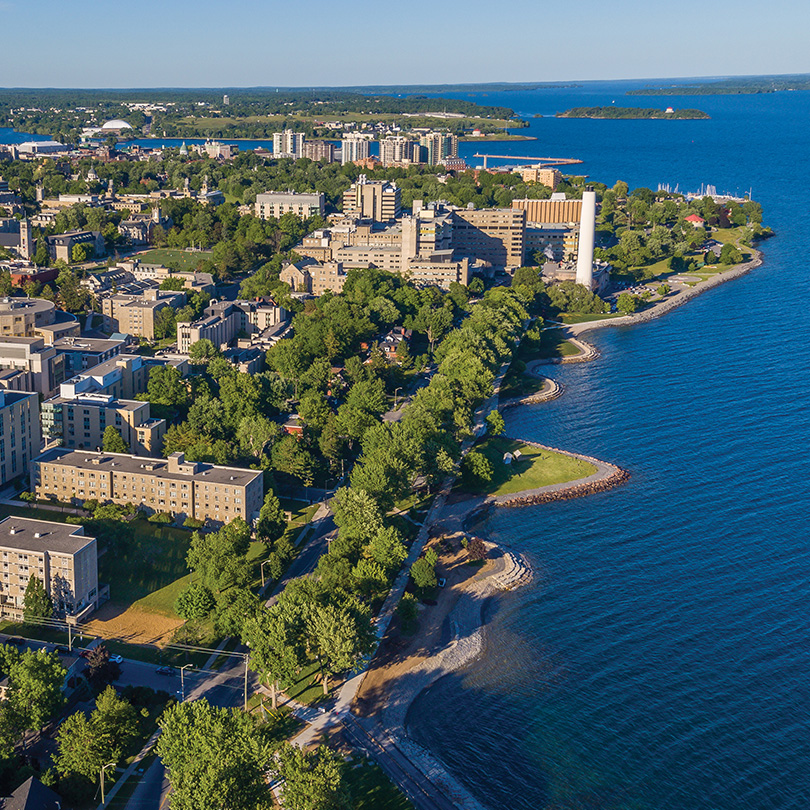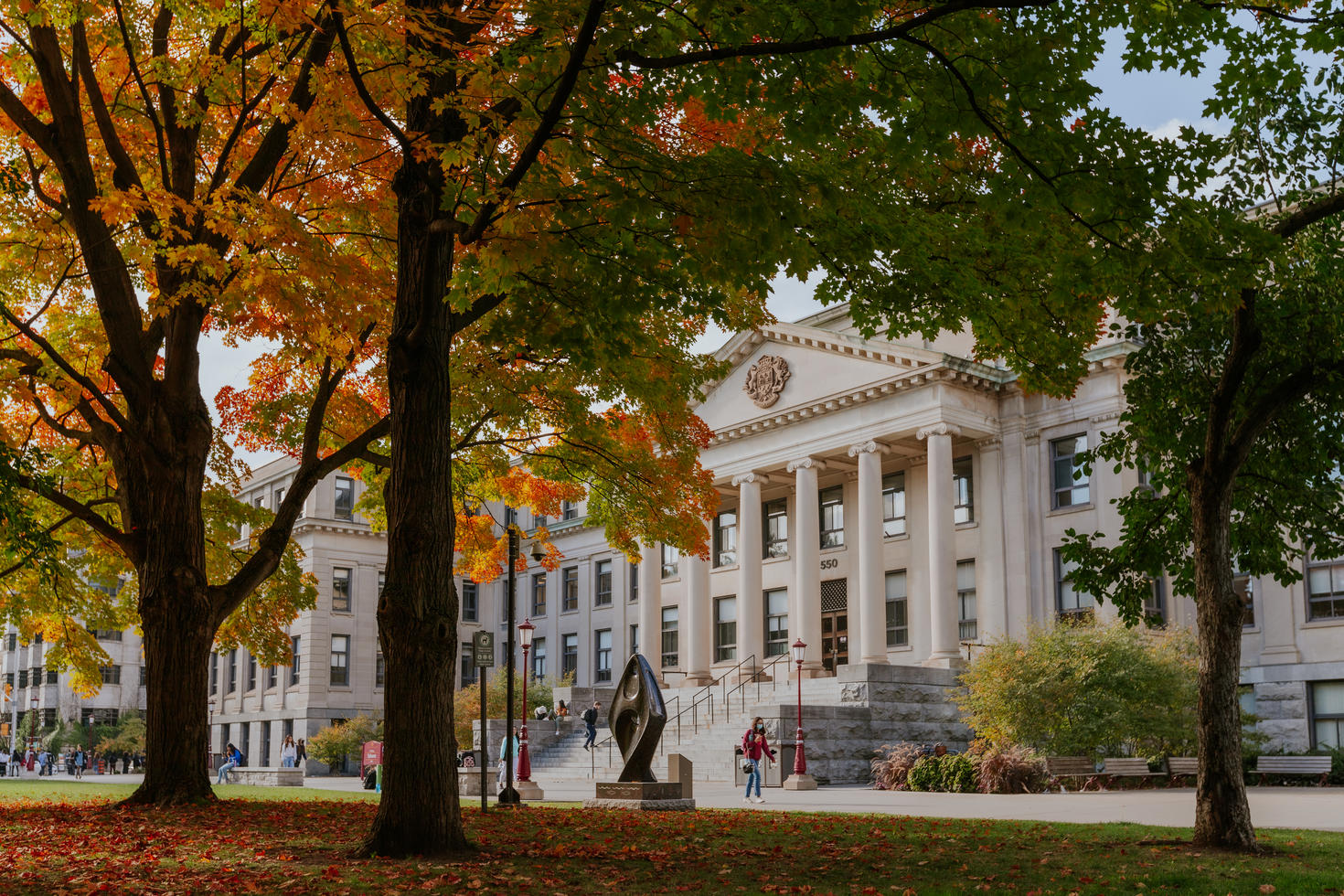
McGill University
- World ranking
- #30
- Programmes
- 890
- Location
- Montreal, Quebec, Canada


Study destination
Canada has 77 universities on StudyMapped offering 13,311 programmes and 197 scholarships. Compare tuition fees, entry requirements and intakes below, then shortlist the programmes that suit you.
Canada has sharply reduced the number of new international students since 2024, welcoming about 61% fewer in 2025 than the year before. For 2026 it planned up to 408,000 study permits, including 155,000 for newly arriving students. Places are limited, but graduates can still stay on to work, and because the provinces run education, some rules vary by province.
Statistics Canada puts average international tuition for 2026/27 at $42,062 a year for undergraduate degrees and $24,693 a year for graduate degrees (all figures in Canadian dollars). Location matters: average undergraduate tuition ranges from $18,911 in Newfoundland and Labrador to $50,088 in Ontario.
You must also prove you can cover living costs without working in Canada. For applications made on or after 1 September 2026, a single student outside Quebec needs $23,448 for the first year, on top of first-year tuition and travel. IRCC updates this figure every year, and Quebec sets its own.
Your study permit names your school, so changing school after you arrive means applying for a new permit.
The Post-Graduation Work Permit (PGWP) lets you work for any employer in Canada for up to 3 years. Your programme must last at least 8 months at a PGWP-eligible DLI, and you must apply within 180 days of finishing.
Take a language test IRCC accepts for the PGWP; its list differs from the one universities use.
In force now:
Announced or proposed, not yet in force: the 2027–2029 Immigration Levels Plan, published on 5 November 2026, targets 150,000 new student arrivals in each year from 2027 to 2029. The 2027 cap and provincial allocations had not been published by 13 November 2026. IRCC has also proposed letting students keep working while awaiting a study permit extension or PGWP decision, but this is not yet law.
Here is what universities in Canada typically charge in tuition each year. Fees vary from one university and course to the next, but most fall within the range shown.
| Degree | Typical fee a year | Usual range |
|---|---|---|
| Bachelor's | CAD 38,000 | CAD 28,000 – 47,500 |
| Master's | CAD 17,500 | CAD 13,000 – 33,500 |
| PhD | CAD 10,000 | CAD 5,900 – 16,500 |
These figures cover tuition only. Living costs are extra, and a scholarship can bring the total down.
The subject areas with the most programmes. Pick a degree level to see the courses.
789 programmes
773 programmes
719 programmes
717 programmes
714 programmes
702 programmes
702 programmes
692 programmes
470 programmes
419 programmes
388 programmes
348 programmes
StudyMapped lists 77 universities in Canada with 13,311 programmes: 6,519 bachelor's degrees, 3,281 master's degrees and 1,386 PhD programmes.
Bachelor's degrees typically cost CAD 38,000 a year (most between CAD 28,000 and CAD 47,500); Master's degrees typically cost CAD 17,500 a year (most between CAD 13,000 and CAD 33,500); PhD degrees typically cost CAD 10,000 a year (most between CAD 5,900 and CAD 16,500). Fees vary by university and course, so check the programme you are interested in. Living costs are extra.
Most programmes start in Autumn (fall). Many also take students in Winter, Summer and Spring.
Most international students need a study permit. Start with an acceptance letter from a designated learning institution, then check the current document rules, including whether a provincial or territorial attestation letter applies to you. Submit through Immigration, Refugees and Citizenship Canada.
Yes. StudyMapped lists 197 scholarships for students in Canada, with who can apply, award amounts, deadlines and links to the official application pages.
By number of programmes, the largest subject areas are Education & Teaching, Biology & Life Sciences, Engineering and Sociology & Cultural Studies.
Sources: IRCC: 2026 international student cap, IRCC: International Student Program (2026), IRCC: PAL/TAL, IRCC: Proof of financial support, IRCC: Fee list, IRCC: Designated learning institutions list, IRCC: Changing schools, IRCC: Work off campus, IRCC: Co-op work permit change, IRCC: PGWP eligibility, IRCC: About the PGWP, IRCC: PGWP field of study, IRCC: Spouses of students, IRCC: Student Direct Stream, IRCC: 2027–2029 Immigration Levels Plan, IRCC: Forward Regulatory Plan, Statistics Canada: Tuition fees by level of study, EduCanada: Pathways to college and university, Government of Ontario: Ontario universities, OntarioColleges.ca, University of Toronto: Dates and deadlines, UBC: English language competency, McGill: English language proficiency. Last checked 13 November 2026.

Book a free consultation with our expert counsellors and take the first step towards your dream university.
Copyrights © 2026 StudyMapped. All rights reserved.

Enter your credentials to continue.
Join us and start your study abroad journey.