


Engineering
BA Computer Science
University of Vermont, United States
- Degree
- Bachelor's
- Next intake
- First-year applicants apply under Early Action (non-binding), Early Decision I (binding), Early Deci

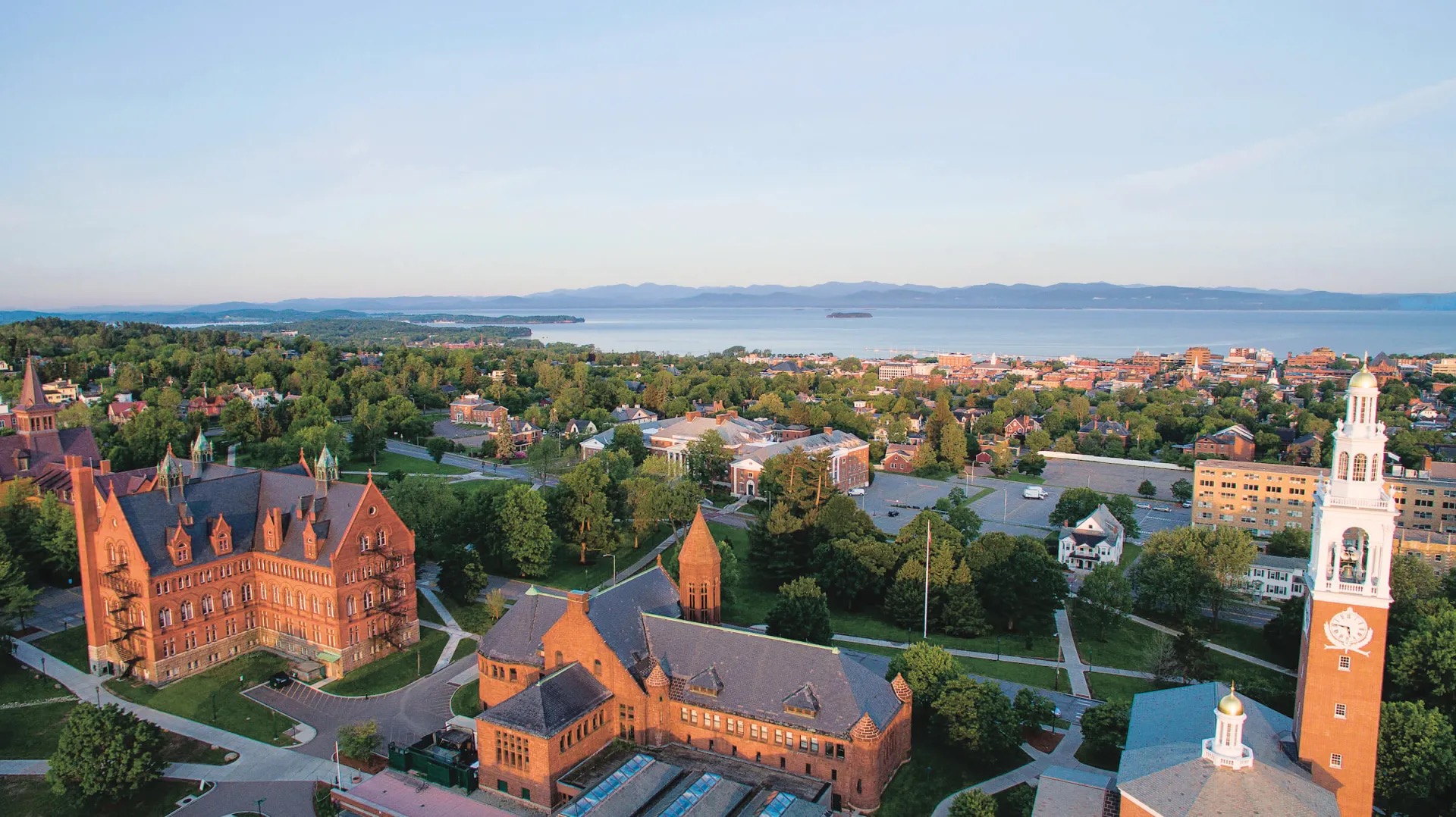

Engineering
University of Vermont, United States
In complex physical, biological, social and engineered systems, the self-organizing dynamics of interacting entities (be they molecules, cells, genes, bacteria, plants, birds, humans, nanobots, electrical substations, etc.) give rise to emergent system properties (such as consciousness, cancer, global warming, societies, etc.). Fortunately, many essential properties of such systems may be studied, modeled and understood using similar approaches, regardless of the application domain. Learning these cutting-edge complex systems approaches can help students move to the forefront of their field and stand out when competing in a tough job market.
Department: Complex Systems and Data Science | Study mode: full-time | Location: Burlington, VT, United States
The Certificate of Graduate Study in Complex Systems requires a total of 15 credits, distributed as shown below: 6 credits of approved Complex Systems and/or Data Science Electives taken at the graduate level. These include all courses at the 5000- or 6000-level with a CSYS prefix, many courses with a CS, Math, or Stat prefix, and miscellaneous relevant domain-specific courses in areas such as engineering, public administration, biology, plant biology, physics, etc. All electives must be approved by the graduate coordinator.
Graduate College-wide: at least 2 letters of recommendation (individual programmes may require up to 3); applicants whose first language is not English need TOEFL iBT 90, IELTS 6.5 or Duolingo 110 minimum; admission tests, GPA and other criteria vary by programme.
Tuition is charged per credit, so the total depends on the modules you register for each year. Current fees are listed in the official fee schedule.
Apply through the official page: https://catalogue.uvm.edu/graduate/admissionfinancial/admissions/
Engineering
University of Vermont, United States
Engineering
University of Vermont, United States
Engineering
University of Vermont, United States
Engineering
University of Vermont, United States
Engineering
University of Vermont, United States
Engineering
University of Vermont, United States
Engineering
University of Vermont, United States
Engineering
University of Vermont, United States

Book a free consultation with our expert counsellors and take the first step towards your dream university.
Copyrights © 2026 StudyMapped. All rights reserved.

Enter your credentials to continue.
Join us and start your study abroad journey.