


Engineering
BA (Hons) Finance and Business
Buckinghamshire New University, United Kingdom
- Degree
- Bachelor's
- Next intake
- September 2027

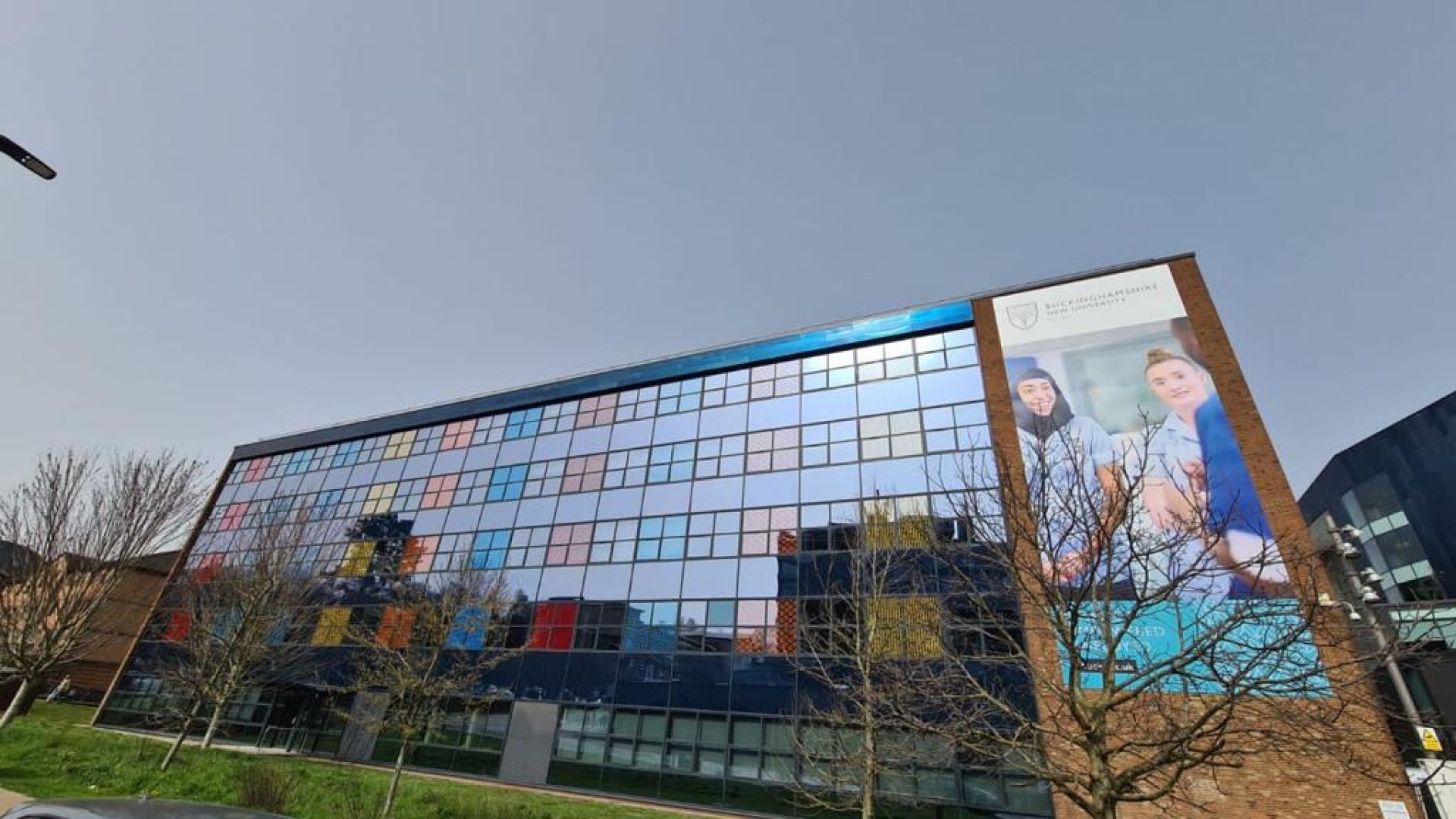

Engineering
Buckinghamshire New University, United Kingdom
Electrical and electronic engineering keeps some of the world’s most exciting technology moving, from electric vehicles and spacecrafts to medical devices and renewable energy. On this BEng Electrical and Electronic Engineering degree, you’ll explore how electricity, electronics and control systems work together, building the knowledge to design and create electrical and electronic systems in the industry that interests you.
Faculty: Engineering | Duration: Three or Four Years | Study mode: full-time | Intake: January and September 2027 | Location: High Wycombe, England, United Kingdom
The course introduces the electrical and electronic systems used across the industry, including instrumentation, mechatronics, control systems engineering, embedded electronics, power systems and analogue and digital electronics. You’ll look at how these systems are designed and controlled, how different components work together and how engineers test and improve them. Core modules include Science and Materials for Engineers, Mathematics for Engineers, Fundamentals of Electrical and Electronic Engineering, Computer Aided Design and Simulation, Modelling and Analysis of Electromechanical Systems, Individual Engineering Project and Management, Circuit analysis and three-phase systems, Analogue and Digital Electronics, PLC, Microprocessor and Embedded Systems lab, Sensors, actuators, and instrumentation, Control Systems Engineering and Mechatronics, Power system analysis, Smart Grids and All-Electric Vehicles, Professional Practice, Leadership and Management. Optional modules include Robotics, Automation and Industry 4.0, Control and Automation of Sustainable Electrical Power Network.
Electrical and electronic engineering can take you into a wide range of industries, from energy and automotive to aerospace, telecommunications and healthcare. There’s no single route you have to follow after graduation. Roles include Electrical engineering – designing and managing electrical systems for power generation, transmission and distribution, Electronics engineering – developing and testing electronic circuits and systems for products such as computers, smartphones and medical devices, Control systems engineering – designing automated systems for manufacturing, robotics and other industrial processes, Renewable energy engineering – working with technologies including solar, wind and battery storage, Embedded systems engineering – developing the microcontroller-based systems used in smart devices such as smart watch, vehicles, medical devices and industrial equipment, Power systems engineering – working on electrical grids, substations and the integration of renewable energy, Telecommunications engineering – designing and maintaining the systems behind mobile, signal processing technology, satellite and internet communications, Automotive engineering – developing electrical systems for vehicles, including electric powertrains and driver-assistance technology, Aerospace and defence – working on electronic systems for aircraft, spacecraft, radar and other high-performance applications, Research and development – contributing to new technologies in areas such as semiconductors, communications and energy.
A typical offer will require a UCAS tariff score of: 100 - 128 (Full-time) or 32 - 56 (Foundation Year) UCAS points can be obtained through qualifications such as A levels, T levels, BTEC or an Access to Higher Education course in a relevant subject. Please list all your qualifications on the application form as you will be asked to provide copies when we receive your application. The typical offer for the full-time course is 100–128 UCAS tariff points, or 32–56 points for the Foundation Year. A Level: BCC–BBB, including at least a grade C in Mathematics or Physics (or an equivalent qualification). T Level: Merit in Engineering T Level subject. BTEC: DMM in a BTEC National Diploma or Extended Diploma in Engineering or Physics, including at least a Merit in the maths unit. GCSE: Grade 4/C or above in GCSE Maths and English, or equivalent qualifications. Every application is considered individually, and other qualifications and experience may also be considered. Applicants with an HNC or Foundation Degree in Engineering (or equivalent) may be eligible to join the course at an advanced entry point through our Accreditation of Prior Learning (APL) process. UCAS code BE02.
Domestic applicants: GBP 9,790 a year (2026/27). Standard route rate. Placement-year route: Year 3 (placement year) fee £1,955 Source
International applicants: GBP 15,910 a year (2026/27). Standard route rate. Placement-year route: Year 3 (placement year) fee £1,955 Source
Intake: January and September 2027
Duration: Three or Four Years
Apply through the official page: https://www.bucks.ac.uk/study/apply-direct
Engineering
Buckinghamshire New University, United Kingdom
Engineering
Buckinghamshire New University, United Kingdom
Engineering
Buckinghamshire New University, United Kingdom
Engineering
Buckinghamshire New University, United Kingdom
Engineering
Buckinghamshire New University, United Kingdom
Engineering
Buckinghamshire New University, United Kingdom
Engineering
Buckinghamshire New University, United Kingdom
Engineering
Buckinghamshire New University, United Kingdom

Book a free consultation with our expert counsellors and take the first step towards your dream university.
Copyrights © 2026 StudyMapped. All rights reserved.

Enter your credentials to continue.
Join us and start your study abroad journey.