


Arts & Humanities
BA (Hons) Animation and Games Art
University of Sunderland, United Kingdom
- Degree
- Bachelor's
- Next intake
- September 2026

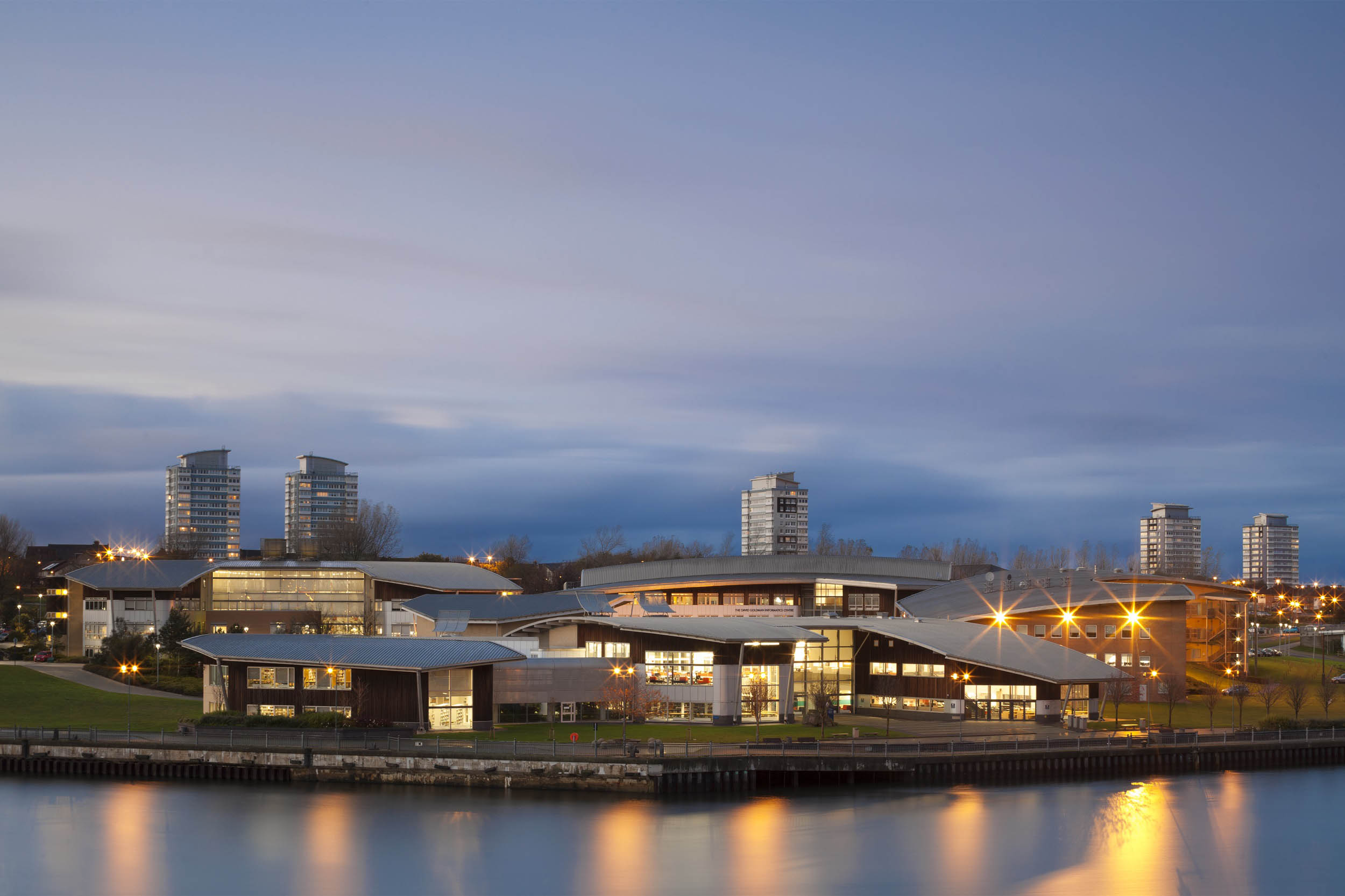

Arts & Humanities
University of Sunderland, United Kingdom
Why does inequality exist and what can we do about it? This MSc Inequality and Society degree, grounded in theory and research, will equip you with the tools to examine the major causes of inequality in our world.
Department: Social Sciences | Duration: 1 year full-time; 2 years part-time | Study mode: full-time | Intake: October 2026 | Location: Sunderland, England, United Kingdom
You’ll have the opportunity to enhance your employability, and depending on your chosen modules, gain skills such as speaking at conferences, using social research software, preparing reports for global bodies, and writing campaign strategies. You’ll also be encouraged to build your experience with leading organisations through internships and volunteering, which could even shape your final dissertation topic.
We usually require at least a second class honours degree (usually a 2:1 or above) or equivalent. Experience may be counted towards your application. We welcome degrees in areas such as social sciences, psychology, business, law, education, humanities, health, arts, technology, and the sciences. We recommend that you have knowledge of sociological theories and concepts before entering the course. We offer a Social Theory Summer School in October before the course starts to cover the basics, but we also recommend applicants read about sociological theories. If your first language isn't English, you must achieve a minimum IELTS score of 6.5 in all four areas. Accreditation of Prior Learning (APL); If you already know some of the topics on this course, you may not need to study the full degree. This could either be due to previous learning or work experience. Accreditation of Prior Learning (APL) is the process of gaining credit towards a qualification from past learning. If you're eligible, you won't have to learn the same topic again. This means you could be exempt from a module, set of modules, or year of a course. To find out more, please contact the Programme Leader.
Intake: October 2026
Duration: 1 year full-time; 2 years part-time
Apply through the official page: https://www.sunderland.ac.uk/postgraduate/msc-inequality-society#apply
Arts & Humanities
University of Sunderland, United Kingdom
Arts & Humanities
University of Sunderland, United Kingdom
Arts & Humanities
University of Sunderland, United Kingdom
Arts & Humanities
University of Sunderland, United Kingdom
Arts & Humanities
University of Sunderland, United Kingdom
Arts & Humanities
University of Sunderland, United Kingdom
Arts & Humanities
University of Sunderland, United Kingdom
Arts & Humanities
University of Sunderland, United Kingdom

Book a free consultation with our expert counsellors and take the first step towards your dream university.
Copyrights © 2026 StudyMapped. All rights reserved.

Enter your credentials to continue.
Join us and start your study abroad journey.