


Health Sciences
BS Clinical Nutrition
University of California, Davis, United States
- Degree
- Bachelor's
- Next intake
- First-year and transfer students enter in the fall term (quarter system); the UC application opens A

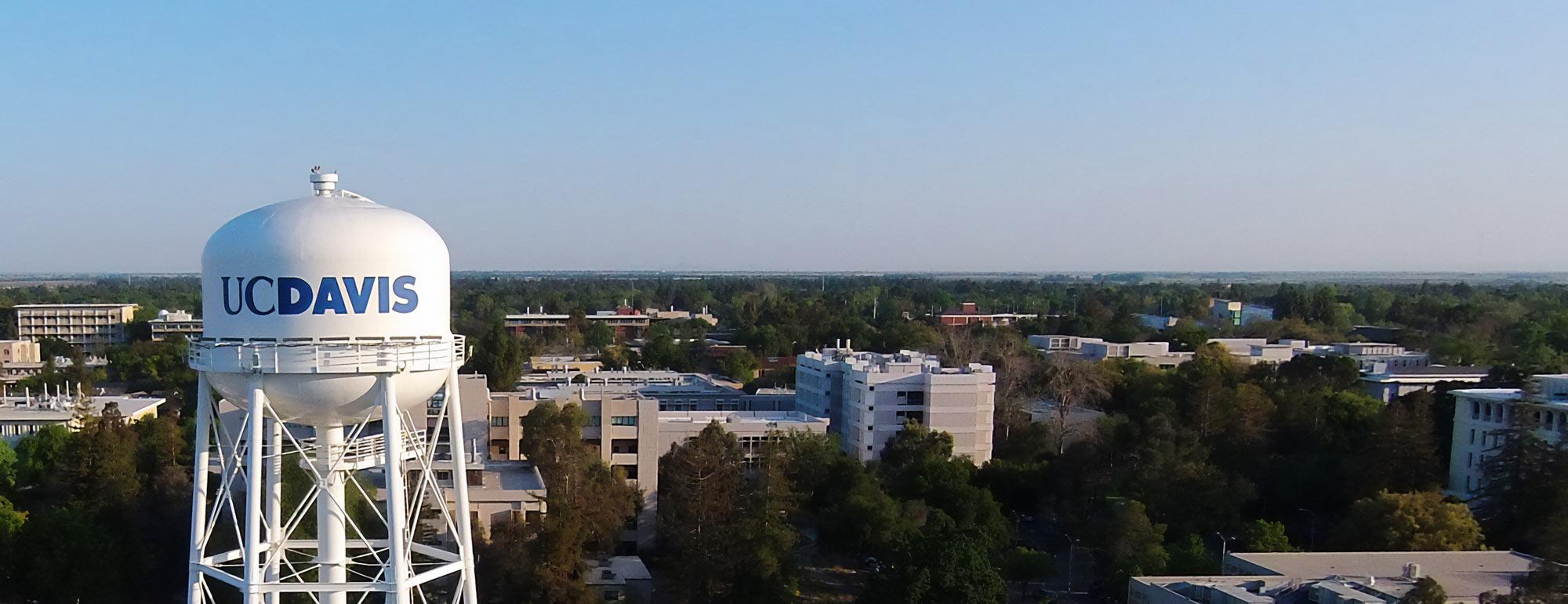

Health Sciences
University of California, Davis, United States
Toxic agents in the environment include pesticides, food additives, industrial waste, and metals as well as chemicals produced by animals, plants, fungi and bacteria. Students in the Environmental Toxicology major learn how toxicants produce adverse effects by understanding their environmental fates and biological activities. They learn about monitoring concentrations and the distribution and persistence of agents found in water, soil, air and foods.
Faculty: College of Agricultural & Environmental Sciences | Department: Environmental Toxicology | Duration: 118 units (quarter system) | Study mode: full-time | Location: Davis, CA, United States
The major requires a minimum of 118 units. Requirements are organised into preparatory subject matter, depth subject matter, electives components. Required courses include BIO 001 Introductory Biology: Ecology & Evolution; BIO 003 Introductory Biology: Cells Through Organisms OR; BIS 002B Introduction to Biology: Principles of Ecology & Evolution; CHE 002C General Chemistry and General Chemistry and General Chemistry; CHE 003B DISCONTINUED FOR.
Occupations that use environmental toxicology include risk assessment, pharmaceutical development, food additive toxicity testing, managing regulatory compliance, residue or forensic analysis, pest control, monitoring and field sampling, industrial hygiene, and environmental health and safety.
Admission is to UC Davis and the College of Agricultural & Environmental Sciences; the catalogue entry gives no major-specific admission requirement beyond the major requirements below.
Domestic applicants: USD 14,202 a year (2026-27). Systemwide UC undergraduate Tuition for California residents, cohort first enrolled in 2026-27 (annual, quarter system); rate is the same for all undergraduate majors. Excludes Student Services Fee, campus-based fees, and Nonresident Supplemental Tuition. Source
First-year and transfer students enter in the fall term (quarter system); the UC application opens Aug. 1 and the filing period is Oct. 1 to Nov. 30 for admission the following year.
The UC application filing period is Oct. 1 to Nov. 30 for admission the following year, and a single application covers all UC campuses.
The UC application filing fee is $80 per campus for domestic applicants and $95 per campus for international applicants, payable by credit card or mail; fee waivers are available for up to four campuses.
Transfer applicants submit the UC application by Nov. 30; Transfer Admission Guarantee (TAG) applications are due Sept. 1-30; the priority deadline for the Transfer Academic Update is Jan. 31.
Apply through the official page: https://www.ucdavis.edu/admissions
Health Sciences
University of California, Davis, United States
Health Sciences
University of California, Davis, United States
Health Sciences
University of California, Davis, United States
Health Sciences
University of California, Davis, United States
Health Sciences
University of California, Davis, United States

Book a free consultation with our expert counsellors and take the first step towards your dream university.
Copyrights © 2026 StudyMapped. All rights reserved.

Enter your credentials to continue.
Join us and start your study abroad journey.