
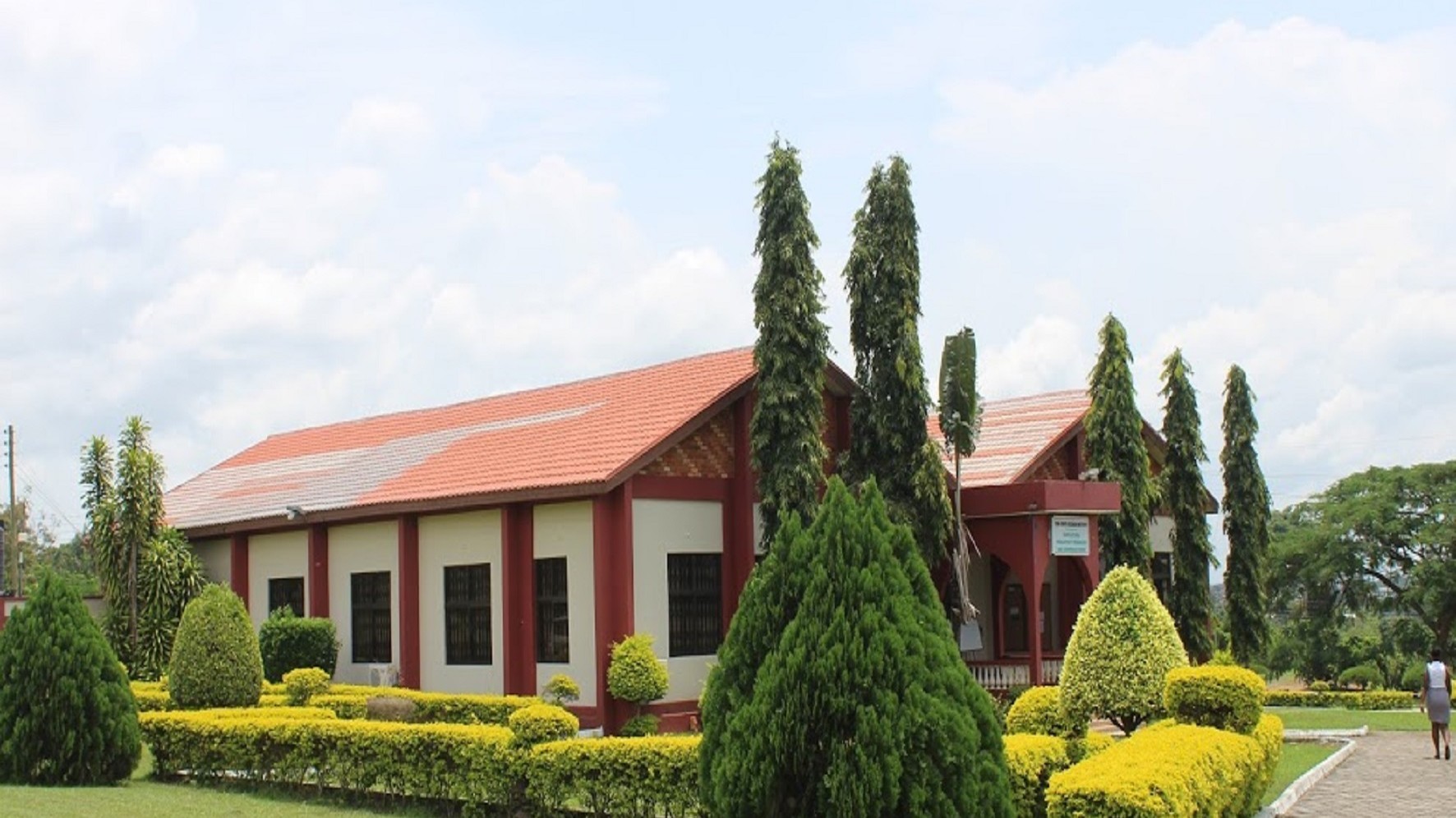

University in Ghana
Accra, Ghana
University profile
The CSIR College of Science and Technology (CCST) is an applied research college created by the Council for Scientific and Industrial Research (CSIR), Ghana's premier research institution, established in 1958. It operates within the research facilities of the thirteen institutes of the CSIR and offers practical-oriented, industry-focused graduate programmes in agriculture, environmental sciences, food and engineering fields. It is affiliated to the University of Cape Coast (UCC) and the University of Mines and Technology (UMaT) and is accredited by the Ghana Tertiary Education Commission (GTEC).
Its vision is to become the leading provider of quality science and technology education, research, innovation and entrepreneurship in Africa and beyond. Teaching draws on CSIR research scientists and technologists, and students use institute laboratories, conference and seminar rooms and research stations across the country for literature study, laboratory and field research and hands-on project work.
The College has two campuses. The Accra Campus is hosted by CSIR institutes at Adenta/Frafraha, Okponglo and the Airport Residential Area, and the Kumasi Campus by CSIR institutes at Fumesua and Kwadaso. The College Registry is at Cantonments, Accra, on Josip Broz Tito Avenue behind Police Headquarters.
There are three faculties: Natural Sciences and Environmental Management (Kumasi), Built Environment (Kumasi) and Bioresources and Applied Sciences (Accra). Departments are Natural Resources Management, Plant Resources Development and Soil Resources Management; Transport Studies and Sustainable Construction Engineering; and Animal Resources Development, Agro-processing Technology and Food Biosciences, and Fisheries Science and Aquaculture.
Programmes are postgraduate diplomas, MSc, MPhil and PhD degrees in fields including food science and technology, fisheries science and aquaculture, industrial animal nutrition and feed production, soil health, climate change and integrated natural resources management, plant breeding and biotechnology, and transport and construction engineering. Lectures are delivered at weekends and in the evenings, which suits working professionals, and applicants must normally have one to three years of work experience. May and September intakes are offered for some programmes; the rest start in September.
International applicants may apply; the e-voucher for international applicants is priced in US dollars, and foreign applicants to engineering programmes need proficiency in English and assessment of their transcripts by GTEC.
Partial scholarships towards academic fees only, for Ghanaian students on any College programme, funded by donor agencies and the College. Awards are renewable annually if the student keeps a GPA of 2.5 or better.
Ghanaian citizen resident in Ghana; a technologist, technician or analogous grade in CSIR, the Ministry of Food and Agriculture or another government agency; freshly admitted full-time regular student (continuing students who never received this support may also apply); not older than 50; must attach a bond agreement to serve at the place of work.
Ghanaian citizen resident in Ghana; freshly admitted full-time regular student; not older than 45; National Service completed.
Download and submit the completed CCST-MAG Scholarship Application Form with the admission letter and supporting documents to the Students Financial Support Office, behind Police Headquarters, Cantonments, Accra (tel. 0302-781-904 or 0302-971-978). Details: Students Financial Support Office.
Browse the scholarships listed for CSIR College of Science and Technology and check each award’s eligibility.
View scholarships for CSIR College of Science and Technology →A good first degree (at least Second Class Lower Division) in a relevant field from a recognised university. One to three years of working experience is required of all applicants, and applicants must attend and pass an interview organised by the department.
Second Class degree in a relevant field (for example Agriculture, Biological Sciences, Natural Resources Management or Environmental Sciences, depending on programme); two years (24 months). MPhil Transport Engineering, Transport Planning and Construction Engineering need at least Second Class Upper Division, a research proposal and a passed interview. MPhil Plant Breeding and Biotechnology requires a bachelor's degree in Agriculture, Biological Sciences, Horticulture, Botany or related fields and knowledge of genetics or plant breeding.
Second Class Lower in a relevant field. For MSc Climate Change and Integrated Natural Resources Management, Industrial Animal Nutrition and Feed Production, Food Science and Technology and Soil Health and Environmental Resources Management, applicants with a Third Class degree (CGPA 2.30-2.40) may be considered if they have worked in a relevant industry (three years for most of these) and pass a rigorous interview or committee assessment. Duration 18 months (24 months for Fisheries Science and Aquaculture).
A research master's degree (MSc or MPhil) in a related field. PhD Food Science and Technology: CGPA of 3.5 or better with not more than one C+, a B+ or better in Research Methods or at least two refereed journal publications. Climate Change and Integrated Natural Resources Management: candidates with non-research degrees and proven capacity may take three or four years or enter MPhil first and upgrade. PhD Plant Breeding and Biotechnology: research master's, or a First Class bachelor's degree in a related field. Duration three years (36 months). PhD applicants submit a 3-5 page pre-proposal with bibliography and pass an interview.
PgD (12 months) in Transport Engineering, Transport Planning and Construction Engineering accept first degrees in related fields (Civil, Geomatic or Geological Engineering, Planning, Geography, Architecture, Building Technology and similar); Third Class is accepted for PgD Transport Planning and Construction Engineering. MSc programmes (18 months) require Second Class Lower (Transport Engineering) or Second Class Upper (Transport Planning, Construction Engineering) or equivalent. Other degree holders may be considered after review.
Foreign applicants with proficiency in English who meet the programme requirements are admitted after GTEC assessment of transcripts and documents. E-voucher for international applicants: US$100.
Buy an e-voucher (serial and PIN) on the admissions portal by MTN Mobile Money or Visa (GH¢220 for Ghanaian applicants), complete the online form, print two copies and submit them to the Registrar, CSIR College of Science and Technology, P. O. Box M 32, Accra, or by hand at Josip Broz Tito Avenue, behind Police Headquarters, Cantonments (digital address GL-063-0751). Attach certified certificates, an original transcript, two sealed referee reports, the printed form and a current CV.
May admission: last working day of March. September admission: last working day of July. Interviews are scheduled by the department. Programmes other than Climate Change and Integrated Natural Resources Management and Food Science and Technology are offered in September only.
Students use the institutes' laboratories, conference and seminar rooms and research stations, and a library.
Study programmes offered at CSIR College of Science and Technology.
Experiences shared by students of CSIR College of Science and Technology.
Studied here? Share your experience to help other applicants.

Book a free consultation with our expert counsellors and take the first step towards your dream university.
Copyrights © 2026 StudyMapped. All rights reserved.

Enter your credentials to continue.
Join us and start your study abroad journey.


